
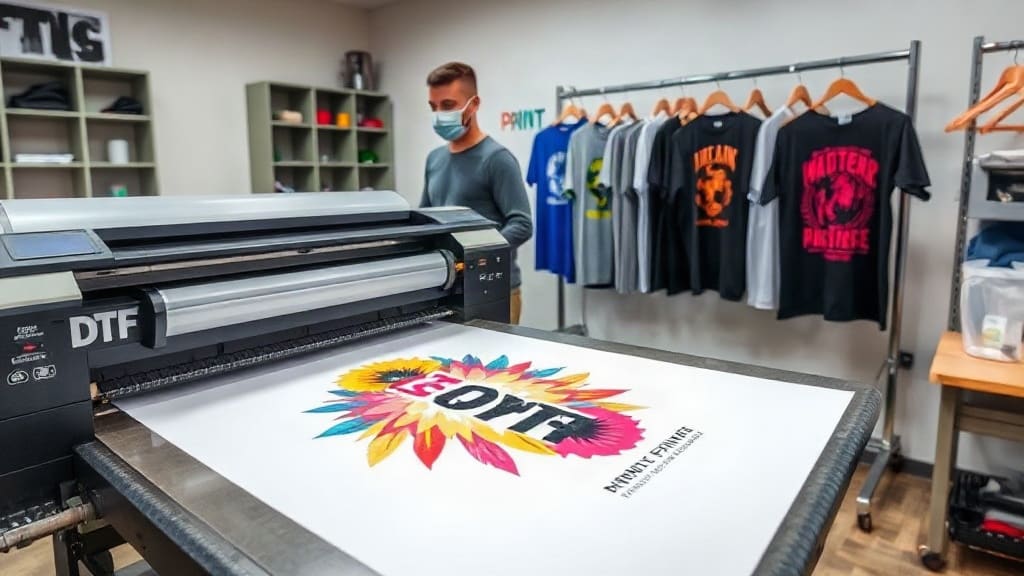
If you've been exploring the world of custom apparel, you've likely encountered the term DTF. Direct-to-Film printing is rapidly changing how creators and businesses approach print on demand. Unlike traditional methods that require minimum orders or complex setups, DTF offers a flexible, cost-effective way to bring vibrant designs to life on various fabrics. In this guide, we'll walk you through everything you need to know about DTF printing, from its mechanics to practical tips for getting started.
What is DTF Printing?
DTF stands for Direct-to-Film. It's a printing technique where your design is printed onto a special film, coated with adhesive powder, and then heat-pressed onto the fabric. This method eliminates the need for pre-treating garments (common in DTG printing) and works on a wide range of materials, including cotton, polyester, and blends. The result is a soft, stretchable print that holds up well over time.
The DTF Process Step by Step
- Design Preparation: Create your artwork in a graphics program, ensuring it's mirrored (unless your printer software handles it).
- Printing: Using a DTF printer, the design is printed onto a PET film with specialized inks.
- Powder Application: While the ink is wet, a hot-melt adhesive powder is applied evenly over the design.
- Curing: The film is heated to melt the powder, creating a transferable layer.
- Heat Press: The film is placed on the garment and pressed with a heat press, transferring the design.
- Peeling: After cooling, the film is peeled away, leaving a vibrant, durable print.
Why DTF is a Game-Changer for Print on Demand
Print on demand (POD) has democratized custom apparel, but traditional methods like screen printing or DTG have limitations. DTF addresses many of these pain points, making it a favorite among small business owners and independent creators.
No Minimum Orders
With DTF, you can print a single item or hundreds without setup costs. This is perfect for testing designs or offering personalized products.
Works on Multiple Fabrics
Unlike DTG, which primarily works on cotton, DTF adheres to polyester, nylon, leather, and even treated wood. This versatility opens up new product possibilities.
Vibrant Colors and Fine Details
DTF printers can reproduce intricate gradients and photo-realistic images with stunning accuracy. The colors pop, and the print feels soft to the touch.
Durability
When properly applied, DTF prints withstand repeated washing without cracking or fading. They stretch with the fabric, making them ideal for activewear.
Getting Started with DTF Printing
Ready to dive into DTF? Here's what you need to know to set up your workflow.
Essential Equipment
- DTF Printer: Options range from converted Epson models to dedicated DTF printers. Choose based on your volume and budget.
- DTF Inks: Specially formulated inks that work with the film and powder.
- PET Film: Available in sheets or rolls; ensure it's compatible with your printer.
- Adhesive Powder: Typically TPU-based, available in fine or coarse grades.
- Heat Press: A reliable heat press with accurate temperature and pressure control.
- Curing Oven or Heat Gun: For melting the powder evenly.
Choosing the Right Supplies
Not all DTF supplies are created equal. Invest in quality inks and films to avoid clogs and poor transfers. Many suppliers offer starter kits that include everything you need.
Mastering the Heat Press
Temperature, pressure, and time are critical. Typically, you'll press at 320°F (160°C) for 15 seconds with medium pressure. Always test with your specific equipment.
Common Challenges and How to Overcome Them
Even with a solid setup, you might encounter issues. Here are solutions to common DTF problems.
Clogged Printheads
Regular maintenance is key. Print a small test pattern daily and use cleaning solutions designed for DTF inks.
Poor Adhesion
Ensure the powder is applied evenly and cured properly. Also, check that your heat press is calibrated.
Color Accuracy
Use ICC profiles provided by your ink manufacturer and calibrate your monitor for consistent results.
DTF vs. Other Printing Methods
How does DTF stack up against DTG, screen printing, and sublimation?
DTF vs. DTG
DTG requires pre-treatment and works best on 100% cotton. DTF needs no pre-treatment and works on more fabrics, but the print may feel slightly thicker.
DTF vs. Screen Printing
Screen printing is cost-effective for large orders but has setup costs. DTF is ideal for small batches and complex designs.
DTF vs. Sublimation
Sublimation only works on polyester and requires white fabric. DTF can print white ink on any color, making it more versatile.
Tips for Success in DTF Printing
- Start Small: Test with a basic setup before scaling up.
- Join Communities: Online forums and groups offer invaluable advice.
- Practice Regularly: The more you print, the better you'll understand your equipment.
- Offer Samples: Send samples to potential clients to showcase quality.
Frequently Asked Questions
What is DTF printing and how does it work?
DTF printing involves printing a design onto a special film, applying adhesive powder, and heat-pressing it onto fabric. It's a versatile method that works on many materials.
Is DTF printing durable for everyday wear?
Yes, when applied correctly, DTF prints are highly durable and can withstand frequent washing without fading or cracking.
Can I use DTF on dark and light fabrics?
Absolutely. DTF uses white ink as a base, so it shows up vividly on both dark and light garments.
What equipment do I need to start DTF printing?
You'll need a DTF printer, DTF inks, PET film, adhesive powder, a heat press, and a curing method (oven or heat gun).
How much does it cost to start DTF printing?
Initial costs vary. A basic setup with a converted printer can start around $1,000, while dedicated DTF printers cost more. Supplies are relatively affordable.