
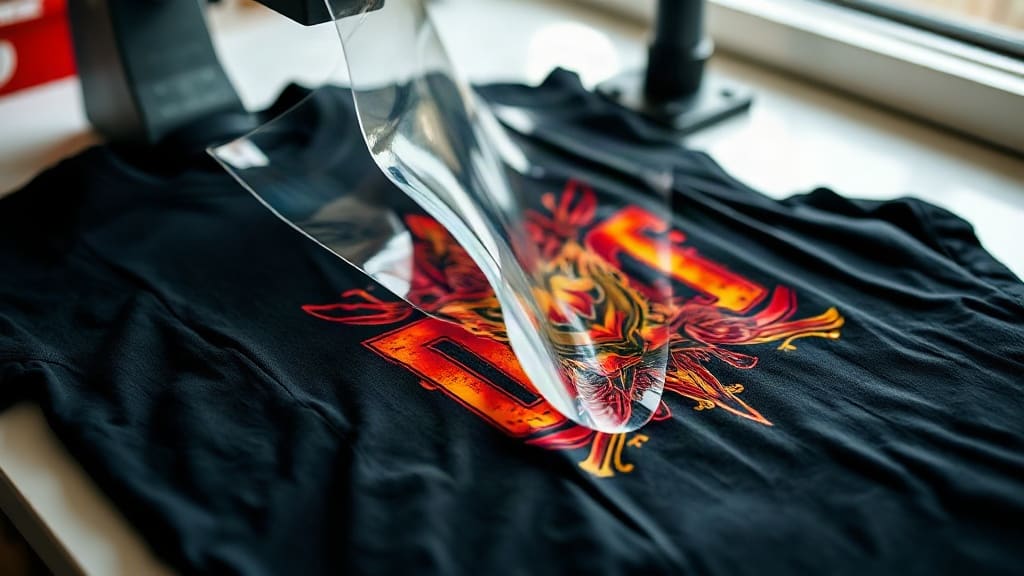
If you're in the print-on-demand business, you've probably heard the buzz around DTF printing. But what exactly is it, and why are so many sellers switching from traditional methods? In this guide, we'll break down everything you need to know about DTF printing, from how it works to why it might be the perfect fit for your POD shop. Whether you're a seasoned pro or just starting out, understanding DTF can give you a competitive edge.
What Is DTF Printing?
DTF stands for Direct to Film. It's a printing method where your design is printed onto a special film, coated with a powder adhesive, and then heat-pressed onto fabric. Unlike DTG (Direct to Garment), which prints directly onto the shirt, DTF uses a transfer film as an intermediary. This opens up a world of possibilities because you're not limited to cotton fabrics. DTF works on polyester, blends, and even tough-to-print materials like nylon and leather. Plus, the colors are vibrant and the details are sharp, making it a favorite for complex designs.
Why DTF Is a Game-Changer for Print on Demand
Print on demand is all about efficiency and flexibility. You want to offer a wide range of products without holding inventory. DTF fits perfectly into this model because it allows you to produce high-quality transfers on demand, without the need for expensive equipment or lengthy setup. Here's why DTF is shaking up the POD world:
- No color limitations: DTF can print full-color designs with gradients, fine lines, and photorealistic images. You're not restricted to a limited color palette like with screen printing.
- Fabric versatility: As mentioned, DTF adheres to almost any fabric. So you can offer designs on cotton, polyester, blends, and even specialty fabrics.
- Durability: When applied correctly, DTF prints are stretchable and wash-resistant. They won't crack or fade easily, which means happy customers.
- Cost-effective for small batches: Unlike screen printing, which requires separate screens for each color, DTF has no minimum order quantity. You can print one-offs profitably.
- Easy to learn: The process is straightforward: print, powder, cure, press. You can master it with a bit of practice.
For a POD seller, these benefits translate to more design freedom, lower overhead, and happier customers. You can experiment with intricate designs without worrying about production costs.
DTF vs. DTG: Which Should You Choose?
Both DTF and DTG are popular in the POD space, but they serve different needs. DTG prints directly onto the garment, which is great for 100% cotton shirts with simple designs. However, DTG inks don't bond well with polyester, and the prints can feel stiff on heavy designs. DTF, on the other hand, uses a transfer that sits on top of the fabric, giving it a slightly raised feel but excellent durability and color vibrancy. DTF also allows you to print on dark garments without a white underbase, which DTG often requires. If you're offering a variety of fabrics or complex designs, DTF is usually the better choice. For a detailed comparison, check out our DTF vs. DTG guide.
How to Get Started with DTF Printing
Ready to dive in? Here's a step-by-step overview of the DTF process:
1. Design Your Artwork
Create your design in a graphics program like Photoshop or Illustrator. Remember to mirror the image before printing, as you'll be transferring it face-down. Use high-resolution files (300 DPI) for best results.
2. Print on DTF Film
Load your DTF printer with DTF ink and special film. Print your design. The printer lays down a layer of white ink as a base, followed by CMYK colors. This white base is crucial for vibrant colors on dark fabrics.
3. Apply Adhesive Powder
While the ink is still wet, sprinkle the DTF powder over the print. Shake off the excess. The powder sticks to the wet ink. Then, cure the film under a heat press or in an oven to melt the powder and set the print.
4. Heat Press onto Garment
Preheat your heat press to around 325°F (160°C). Place the transfer face-down on your garment and press for 15-20 seconds with medium pressure. Peel the film off while it's still warm (hot peel) or let it cool (cold peel) depending on the film type. And voilà! Your custom apparel is ready.
With a bit of practice, you'll be able to produce professional-quality DTF transfers in no time. For a more detailed walkthrough, see our DTF printing tutorial.
Common DTF Mistakes and How to Avoid Them
Even though DTF is user-friendly, there are pitfalls. Here are some common mistakes and tips to avoid them:
- Not mirroring the image: Always flip your design horizontally before printing. Otherwise, your text will be backwards.
- Using too much powder: Excess powder can cause a grainy texture and clog your printer. Use a powder shaker for even coverage.
- Incorrect pressing parameters: Every film and powder has specific temperature, time, and pressure recommendations. Follow the manufacturer's guidelines.
- Skipping the pre-press: Always pre-press your garment to remove moisture and wrinkles. This ensures a smooth application.
- Peeling at the wrong temperature: Some films require hot peel, others cold. Check your film's instructions.
By avoiding these mistakes, you'll get consistent, professional results.
Is DTF Right for Your Print on Demand Business?
If you're looking to expand your product range, offer vibrant designs on various fabrics, and maintain a lean inventory, DTF is a strong contender. It's especially beneficial if you sell items like tote bags, hoodies, and sports jerseys where DTG might struggle. However, if you only print on 100% cotton t-shirts and prefer a softer feel, DTG might still be your go-to. Many successful POD sellers use both methods, choosing the best one for each product. At embroideredup.com, we specialize in DTF transfers and can help you get started. Explore our services to see how we can support your business.
Frequently Asked Questions About DTF Printing
How long do DTF prints last?
When applied correctly, DTF prints can last as long as the garment itself. They are durable through multiple washes, typically 50+ washes, without significant fading or cracking. Proper washing inside out in cold water and avoiding high heat in the dryer will extend their life.
Can I use DTF on dark shirts?
Absolutely! DTF is excellent for dark fabrics because the white ink base provides a bright underlayer that makes colors pop. This is a major advantage over DTG, which often requires a white underbase and can still look muted on dark colors.
Do I need a special printer for DTF?
Yes, you need a DTF printer that uses DTF inks and can handle DTF film. However, you can also buy pre-printed DTF transfers from suppliers like embroideredup.com and just apply them with a heat press. This is a great option if you want to avoid the upfront cost of a printer.
What fabrics work best with DTF?
DTF works on a wide range of fabrics, including cotton, polyester, cotton-poly blends, nylon, leather, and more. It's particularly useful for polyester and blends, which can be tricky with other printing methods. Just ensure the fabric can withstand the heat press temperature.
Is DTF printing cost-effective for small orders?
Yes, DTF is very cost-effective for small orders because there are no minimums and no setup fees. You can print one transfer or hundreds at a low cost per unit. This makes it ideal for print-on-demand businesses that produce items as orders come in.