
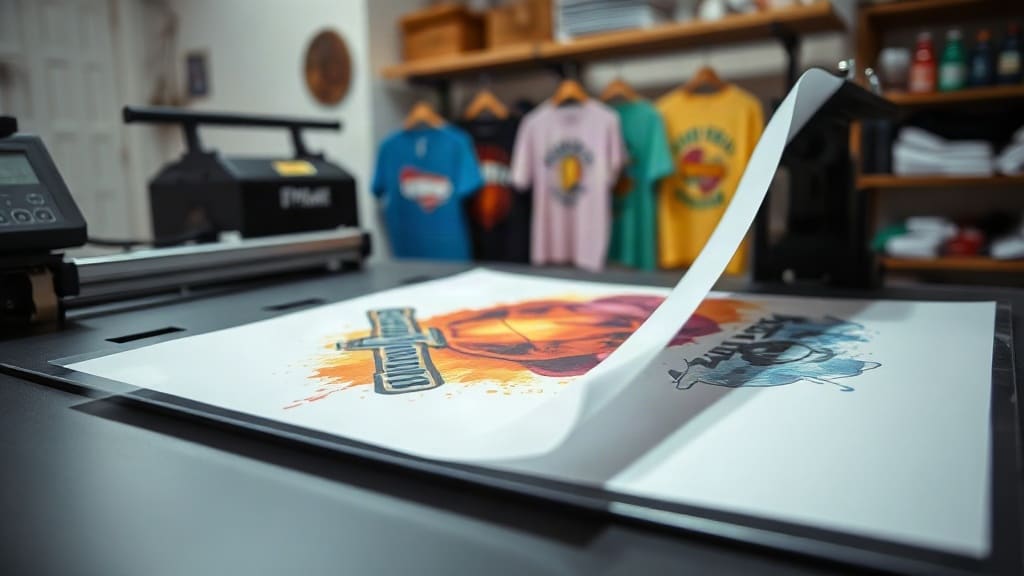
In the world of custom apparel, DTF printing on demand has emerged as a game-changer for creators and businesses alike. Unlike traditional methods that require minimum orders and lengthy setup, this technology lets you print detailed, colorful designs on various fabrics with ease. Whether you're a small Etsy seller or a growing clothing brand, understanding DTF printing can unlock new possibilities for your products. In this guide, we'll dive deep into what DTF printing is, why it's gaining popularity, and how you can leverage it to create stunning custom items without inventory headaches.
What is DTF Printing?
DTF stands for Direct to Film. It's a printing method where your design is first printed onto a special film, then coated with a powdered adhesive, and finally transferred onto fabric using a heat press. This process allows for vibrant, high-resolution prints on a wide range of materials, including cotton, polyester, blends, and even some non-fabric items. The key advantage is that you don't need to pretreat the fabric or use special inks for different colors, making it simpler and more versatile than DTG or screen printing.
The on-demand aspect means you can print designs as orders come in, eliminating the need to hold stock or commit to bulk production. This is perfect for businesses that offer personalized products or want to test new designs without financial risk.
Why Choose DTF Printing on Demand?
There are several compelling reasons to consider DTF printing for your custom apparel needs. Let's explore the main benefits.
1. No Minimum Order Quantities
With DTF, you can produce a single item or a hundred without any price penalty. This flexibility is ideal for print-on-demand businesses, where each order is unique. You can offer a vast catalog of designs without worrying about unsold inventory.
2. Exceptional Durability and Vibrancy
DTF prints are known for their bright colors and fine details. The transfer process bonds the ink to the fabric, resulting in prints that withstand repeated washing without fading or cracking. This makes DTF ideal for items that need to look great for a long time, such as sports jerseys or work uniforms.
3. Works on Multiple Fabric Types
Unlike some methods that only work well on cotton, DTF adheres beautifully to polyester, blends, and even treated leather. This opens up a world of product options, from athletic wear to tote bags and beyond.
4. Cost-Effective for Small Businesses
Setting up DTF printing requires a relatively low investment compared to other technologies. You'll need a DTF printer, film, powder, and a heat press. Once equipped, the cost per print is low, allowing you to offer competitive prices while maintaining healthy margins.
5. Streamlined Workflow
The process is straightforward: print, powder, cure, and press. With practice, you can fulfill orders quickly, which is essential for meeting customer expectations in the fast-paced e-commerce world.
How Does DTF Printing on Demand Work?
Understanding the step-by-step process helps you appreciate the magic behind DTF. Here's a breakdown:
- Design Preparation: Create your artwork in a graphics program, ensuring it's mirrored and sized appropriately.
- Printing: Load the DTF film into your printer and print the design using special DTF inks (usually CMYK plus white).
- Powdering: While the ink is still wet, apply a layer of hot-melt adhesive powder over the print. Shake off excess.
- Curing: Place the film in a curing oven or under a heat source to melt the powder, creating a dry, tacky surface.
- Transfer: Position the film on your fabric and apply heat and pressure with a heat press. Once cooled, peel off the film to reveal your vibrant design.
Each step requires attention to detail, but with practice, it becomes second nature. Many printers offer automated powder shakers and curing stations to speed up the process.
Integrating DTF into Your Print-on-Demand Business
If you're running a POD business, adding DTF to your arsenal can set you apart. Here's how to make it work seamlessly.
Choose the Right Equipment
Start with a reliable DTF printer that matches your production volume. For beginners, a desktop model like the Epson F2100 converted for DTF or a purpose-built printer from brands like Vivid or UniNet is a good choice. Don't forget a quality heat press and a curing oven.
Master the Software
Use RIP software to manage color profiles and ensure accurate output. This is crucial for reproducing designs consistently.
Offer a Diverse Product Range
Since DTF works on many materials, you can expand beyond t-shirts to hoodies, caps, bags, and even phone cases. This variety attracts more customers.
Market Your Unique Selling Proposition
Highlight the durability and vibrancy of your prints. Show before-and-after wash tests to build trust. Use social media to showcase your work and engage with potential buyers.
Manage Orders Efficiently
Implement an order management system that integrates with your e-commerce platform. This ensures you can handle a high volume of personalized orders without errors.
Common Challenges and Solutions
Like any technology, DTF has its quirks. Here are some common issues and how to overcome them.
Adhesion Problems
If the print peels off, it might be due to insufficient pressure, incorrect temperature, or too little powder. Adjust your heat press settings and ensure even powder coverage.
Color Accuracy
Colors may appear differently on screen versus fabric. Use color management tools and test prints to calibrate your process.
Film Handling
DTF film can be static-prone, attracting dust. Store it in a clean, dry environment and use an anti-static mat.
Future of DTF Printing
As more businesses adopt DTF, we can expect advancements in ink formulations, faster printers, and eco-friendly options. The on-demand model aligns with sustainable practices by reducing waste, making DTF a forward-thinking choice.
Frequently Asked Questions
What fabrics can I use with DTF printing?
DTF works on cotton, polyester, blends, and even some non-woven materials. It's not recommended for nylon or fabrics with heavy coatings.
How long does a DTF print last?
With proper application and care, DTF prints can last as long as the garment itself. They resist cracking and fading through dozens of washes.
Is DTF printing cost-effective for small orders?
Absolutely. There's no minimum order, and the cost per print is low, making it ideal for one-off items or small batches.
Do I need special software for DTF?
Yes, RIP software is recommended to manage color profiles and ensure accurate printing. Some printers come with proprietary software.
Can I use DTF on dark garments?
Yes, DTF uses a white ink base, so it works beautifully on both light and dark fabrics.