
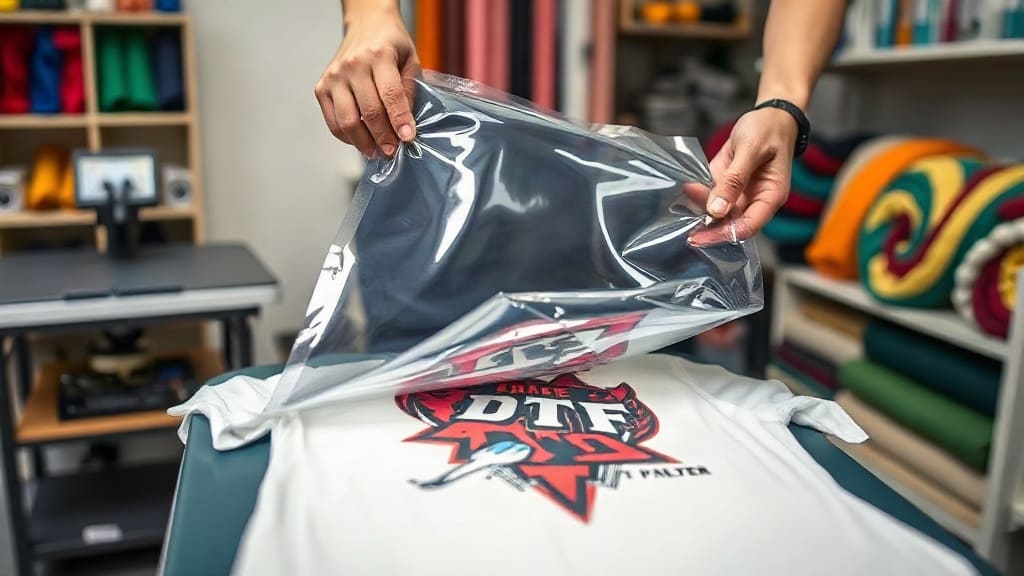
If you've been exploring custom apparel, you've likely encountered DTF transfers. Unlike traditional screen printing or vinyl, DTF (Direct to Film) transfers offer a versatile and accessible way to add colorful designs to a wide range of fabrics. Whether you're a hobbyist or a small business owner, understanding DTF transfers can open up new creative possibilities. In this guide, I'll walk you through the entire process, share practical tips, and help you avoid common pitfalls.
What Are DTF Transfers?
DTF transfers are printed designs on a special film that are then transferred to fabric using a heat press. The process involves printing your design onto a PET film with specialized inks, applying a hot melt adhesive powder, and then curing the powder. Once prepared, the transfer can be stored and later applied to garments with a heat press. This method is known for its ability to produce vibrant, detailed prints on a variety of materials, including cotton, polyester, and blends. Unlike DTG (Direct to Garment) printing, DTF transfers don't require pre-treatment and can be used on dark and light fabrics alike.
Why Choose DTF Transfers?
There are several reasons why DTF transfers have gained popularity among crafters and professionals. First, they offer excellent color vibrancy and fine detail, making them ideal for complex designs. Second, they work on many fabric types, including those that are difficult to print on directly, such as nylon and leather. Third, the process is relatively straightforward and doesn't require a large investment in specialized equipment beyond a printer, heat press, and supplies. Finally, DTF transfers are durable and can withstand repeated washing when applied correctly.
How to Apply DTF Transfers: Step by Step
Applying a DTF transfer is a straightforward process, but following the correct steps is crucial for a professional finish.
1. Prepare Your Workspace
Set up your heat press on a stable surface. Ensure it's clean and free of debris. Preheat your heat press to the recommended temperature, typically around 300°F to 325°F (150°C to 160°C). The exact temperature can vary depending on the film and powder used, so always check the manufacturer's instructions.
2. Position the Transfer
Place your garment on the heat press platen, smoothing out any wrinkles. Position the DTF transfer with the printed side facing up. If your design has a specific orientation, make sure it's correct before pressing.
3. Press the Transfer
Cover the transfer with a protective sheet (such as parchment paper or a Teflon sheet) to prevent sticking. Apply medium to firm pressure for about 10-15 seconds. The exact time may vary, so test with a scrap piece first.
4. Peel the Film
After pressing, allow the transfer to cool completely before peeling off the film. This is known as a "cold peel." Peeling while hot can cause the design to distort or lift. Once cooled, gently peel the film away, starting from one corner. The design should remain on the fabric.
5. Post-Press for Durability
For added durability, cover the design with a protective sheet and press again for another 5-10 seconds. This helps the adhesive fully bond with the fabric. Avoid ironing directly on the design, as it can cause melting or sticking.
Choosing the Right Fabrics for DTF Transfers
One of the biggest advantages of DTF transfers is their compatibility with a wide range of fabrics. They work well on:
- Cotton and cotton blends
- Polyester and synthetic fabrics
- Nylon
- Leather and faux leather
- Canvas and denim
However, for best results, avoid fabrics with a rough texture or heavy coatings, as the adhesive may not bond properly. Also, stretchy fabrics like spandex can cause the print to crack if stretched excessively.
Common Mistakes to Avoid with DTF Transfers
Even experienced crafters can run into issues. Here are some common pitfalls and how to avoid them:
- Incorrect temperature: Too low, and the adhesive won't activate; too high, and the film may scorch. Always follow the recommended settings.
- Insufficient pressure: Without enough pressure, the transfer won't adhere properly. Adjust your heat press accordingly.
- Peeling too soon: Always wait for the transfer to cool before peeling. Patience is key.
- Not pre-pressing the garment: Pre-pressing removes moisture and wrinkles, ensuring a smooth application.
- Using the wrong film: Not all DTF films are created equal. Choose a high-quality film designed for your printer and ink type.
DTF Transfers vs. Other Printing Methods
How do DTF transfers stack up against other popular methods? Let's compare:
- DTF vs. DTG: DTG requires pre-treatment and works best on 100% cotton. DTF works on more fabrics and doesn't need pre-treatment, but may have a slightly thicker feel.
- DTF vs. Screen Printing: Screen printing is cost-effective for large orders but requires separate screens per color. DTF is better for small batches and complex designs.
- DTF vs. Vinyl: Vinyl is limited in color and detail. DTF can produce full-color, photographic-quality prints.
Each method has its place, but DTF transfers offer a unique blend of versatility and quality.
Tips for Vibrant and Long-Lasting DTF Transfers
To get the most out of your DTF transfers, keep these tips in mind:
- Store unused transfers in a cool, dry place away from direct sunlight.
- Wash garments inside out in cold water and tumble dry low to extend the life of the print.
- Use a quality heat press with consistent temperature and pressure.
- Test your settings on a scrap fabric before pressing your final garment.
- Invest in a good DTF printer and inks to ensure crisp, vibrant prints.
Frequently Asked Questions About DTF Transfers
Can I use DTF transfers on dark fabrics?
Yes, DTF transfers work on both light and dark fabrics. The white ink layer in the transfer provides a base that makes colors pop on dark backgrounds.
How long do DTF transfers last?
With proper application and care, DTF transfers can last as long as the garment itself. They are durable and resistant to cracking and fading when washed correctly.
Do I need a special printer for DTF transfers?
Yes, you need a DTF printer that uses DTF inks and can print on PET film. However, you can also purchase pre-made DTF transfers from suppliers if you don't want to invest in a printer.
What is the best temperature for pressing DTF transfers?
The ideal temperature typically ranges from 300°F to 325°F (150°C to 160°C), but always refer to the instructions provided with your specific transfer film and powder.
Can I stretch DTF transfers?
DTF transfers have some stretchability, but excessive stretching can cause cracking. For stretchy fabrics, consider using a stretch additive or choose a different printing method.
Final Thoughts
DTF transfers are a game-changer for custom apparel, offering vibrant colors, fine details, and compatibility with a wide range of fabrics. By following the steps and tips outlined in this guide, you can achieve professional-looking results that last. Whether you're printing t-shirts for your business or creating one-of-a-kind gifts, DTF transfers provide a reliable and creative solution. So go ahead, experiment with different designs, and enjoy the process of bringing your ideas to life.