
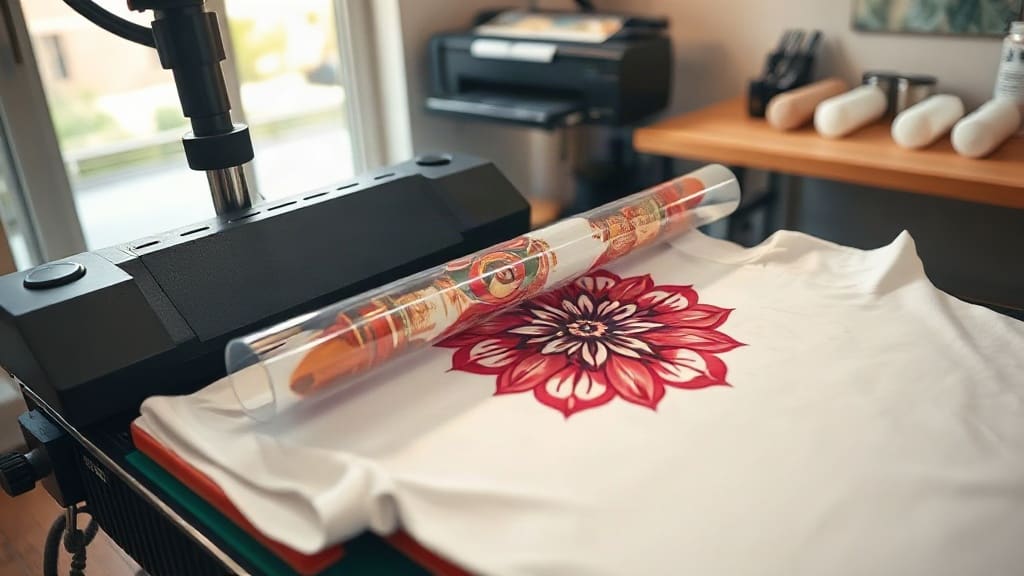
Imagine pressing a design onto a cotton t-shirt, a polyester jersey, or even a canvas tote, and watching it come out with colors so vivid they seem to glow. That's the magic of DTF transfers. In recent years, this technology has transformed the custom apparel industry, giving small business owners, crafters, and large manufacturers a versatile tool for creating high-quality, long-lasting prints. If you've been curious about DTF transfers but aren't sure where to start, this guide will walk you through everything you need to know, from the basics of the process to advanced tips that ensure professional results every time.
What Are DTF Transfers?
DTF stands for Direct to Film. It's a printing method where your design is printed onto a special film, coated with a heat-activated adhesive powder, and then transferred to fabric using a heat press. Unlike DTG (Direct to Garment) or screen printing, DTF transfers don't require pre-treatment of the fabric or specialized inks for different materials. The result is a soft, stretchable print that adheres to virtually any fabric, including cotton, polyester, blends, and even leather. The process is relatively simple: print, powder, cure, and press. But within those steps lies a world of nuance that affects durability, vibrancy, and feel.
How DTF Transfers Work: Step by Step
Understanding the workflow helps you troubleshoot and optimize. Here's what happens from digital file to finished garment.
1. Design Preparation
First, your artwork is prepared in a graphics program. The design is printed in reverse (mirrored) onto a PET film using specialized DTF inks. These inks are typically pigment-based and include a white layer that acts as a base, allowing the colors to pop on both light and dark fabrics. The white layer is crucial: without it, colors would appear muted on dark backgrounds. The printer lays down the white ink first, then the CMYK colors on top, or vice versa depending on the printer setup. The film is then dusted with a thermoplastic powder while the ink is still wet.
2. Powder Application and Curing
The powder adheres to the wet ink. Excess powder is shaken off, and the film is heated to melt the powder into a sticky, adhesive layer. This step, called curing, is usually done in a specialized oven or with a heat gun. Proper curing ensures the transfer will bond permanently to the fabric. If the powder isn't melted completely, the transfer may peel; if overheated, the film can warp. Most manufacturers provide specific temperature and time guidelines, often around 160°C (320°F) for 2-3 minutes.
3. Heat Pressing
Once cured, the transfer is placed onto the garment and pressed with a heat press. Typical settings are 160-170°C (320-340°F) for 10-15 seconds with medium pressure. The adhesive melts again, bonding the ink to the fabric fibers. After pressing, you peel the film away while it's still warm (or cold, depending on the film type). The result is a vibrant, flexible print that stretches with the fabric without cracking.
Why Choose DTF Transfers?
DTF transfers have gained popularity for good reason. Here are the standout benefits that make them a go-to for many apparel decorators.
- Fabric versatility: Works on cotton, polyester, nylon, leather, and more. No need to switch inks or methods for different materials.
- No pre-treatment: Saves time and equipment costs compared to DTG, which often requires pre-treating dark garments.
- Vibrant colors: The white base layer ensures bright, opaque colors even on dark fabrics.
- Durability: When applied correctly, DTF prints withstand dozens of washes without fading, cracking, or peeling.
- Cost-effective for short runs: Unlike screen printing, there are no setup fees or minimums, making it ideal for small batches and personalized items.
- Soft feel: The prints are thin and flexible, not plasticky like some vinyl transfers.
DTF vs. Other Transfer Methods
How does DTF stack up against other popular decoration techniques? Let's compare.
DTF vs. DTG
DTG prints directly onto the garment, which limits it mostly to cotton. It requires pre-treatment for dark shirts, and the colors can appear less vibrant. DTF, on the other hand, works on almost any fabric and produces more consistent results. However, DTG can be more cost-effective for large runs on light-colored cotton.
DTF vs. Screen Printing
Screen printing offers unmatched durability and cost-efficiency for large orders, but it's impractical for small batches due to setup costs. DTF shines for one-offs and small runs, and it handles complex, multi-color designs without additional charges. The feel of screen printing is often softer, but DTF has improved significantly and is now comparable.
DTF vs. Vinyl
Heat transfer vinyl (HTV) is great for simple designs but limited in color and detail. DTF can reproduce photographic images and gradients with ease. Vinyl can be more durable for single-color text, but DTF offers greater design freedom.
Applications of DTF Transfers
From custom t-shirts to branded workwear, DTF transfers are used across many industries. Here are some common applications:
- Custom apparel for small businesses, sports teams, and events.
- Personalized gifts like tote bags, aprons, and pillowcases.
- Promotional items for marketing campaigns.
- Fashion prototyping and limited-edition collections.
- Uniforms for schools, restaurants, and corporate teams.
Tips for Perfect DTF Transfers
Even with a great printer and press, small mistakes can ruin a transfer. Follow these tips to ensure success.
Choose the Right Film and Powder
Not all DTF films are created equal. Cheaper films may cause ink bleeding or poor adhesion. Invest in quality film designed for your printer. Similarly, use the correct powder mesh size for your ink type. Fine powder (80-100 microns) works well for detailed designs, while coarser powder (150-200 microns) provides stronger adhesion for large blocks of color.
Master Your Heat Press Settings
Temperature, pressure, and time are critical. Always test with a scrap garment first. Too little pressure and the transfer won't adhere; too much and the design can spread or scorch. Use a heat press with accurate temperature control and even pressure distribution. For best results, pre-press the garment for a few seconds to remove moisture and wrinkles.
Handle with Care
After pressing, allow the transfer to cool completely before peeling the film. Peeling too soon can distort the design. If you're using a cold-peel film, wait until it's cool to the touch. For hot-peel, peel immediately but carefully. Always follow the film manufacturer's instructions.
Washing and Care
To extend the life of your DTF-printed apparel, wash inside out in cold water and tumble dry low. Avoid bleach and fabric softeners, which can degrade the adhesive. Iron on the reverse side only, never directly on the print.
Common Mistakes to Avoid
Newcomers often run into issues that are easily preventable. Watch out for these pitfalls.
- Using too much powder: leads to a rough, plasticky feel and can clog the printer.
- Under-curing the powder: causes the transfer to peel after washing.
- Pressing at the wrong temperature: too low and it won't stick; too high and the film may melt.
- Not pre-pressing the garment: moisture can create steam and ruin the transfer.
- Peeling the film too early or too late: follow the film's peel type (hot, cold, or warm).
Frequently Asked Questions About DTF Transfers
How long do DTF transfers last?
With proper application and care, DTF transfers can last 50+ washes without significant fading or cracking. The key is correct curing and pressing, plus gentle washing.
Can I use DTF transfers on 100% polyester?
Yes, DTF works well on polyester, but you may need to lower the press temperature slightly (around 150°C) to avoid dye migration. Using a low-migrate film can also help.
Do I need a special printer for DTF?
You can convert many inkjet printers to DTF with DTF inks and film, but dedicated DTF printers are recommended for consistent results. They handle white ink and powder application more efficiently.
What's the difference between DTF and DTG?
DTF transfers a printed film onto the fabric, while DTG prints directly onto the garment. DTF works on more fabrics and doesn't require pre-treatment, but DTG can be softer on cotton.
Can I stretch DTF prints?
Yes, DTF prints are flexible and stretch with the fabric. However, excessive stretching may cause cracking over time. Choose designs with some flexibility and avoid over-stretching the garment.
DTF transfers have opened up a world of possibilities for custom apparel. Whether you're a hobbyist or a growing business, understanding the process and best practices will help you deliver products that impress. With the right equipment and a bit of practice, you'll be creating vibrant, durable prints that stand out from the crowd.