
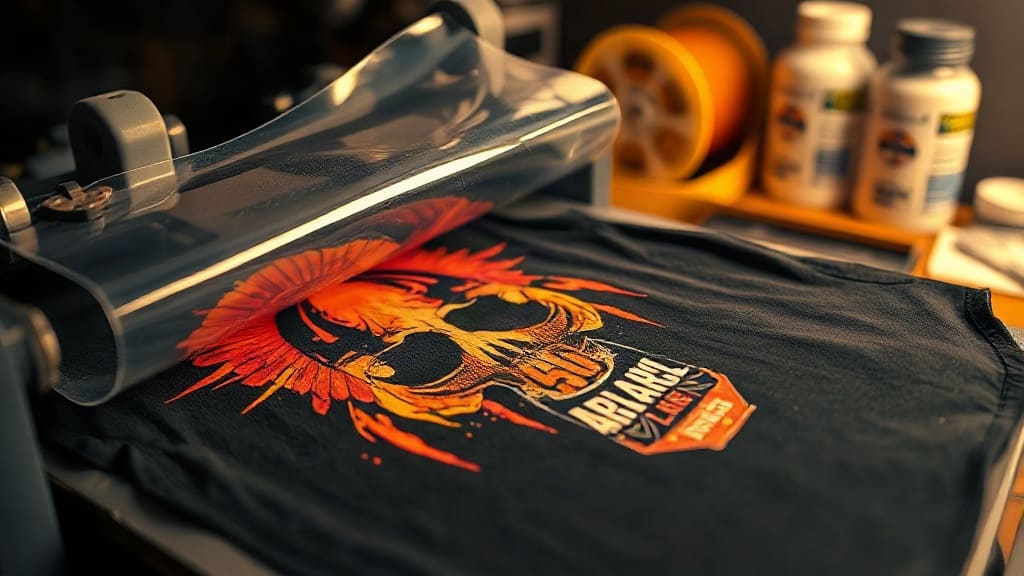
When it comes to decorating custom apparel, DTF transfers have quickly become a go-to method for creators and businesses alike. Unlike traditional screen printing or vinyl cutting, DTF (Direct to Film) transfers offer incredible versatility, allowing you to print full-color designs on a wide range of fabrics with remarkable detail. Whether you're a small business owner looking to expand your product line or a DIY enthusiast wanting to personalize t-shirts, understanding DTF transfers can open up a world of creative possibilities.
In this guide, we'll walk you through everything you need to know about DTF transfers: how they work, why they're gaining popularity, and how to achieve professional results at home or in your shop. Let's dive in.
What Are DTF Transfers?
DTF transfers are a type of heat-applied decoration where your design is printed onto a special film, coated with a thermoplastic adhesive powder, and then transferred to fabric using a heat press. The process involves printing with specialized DTF inks (usually pigment-based) onto a PET film. After printing, a fine powder is applied to the wet ink, which acts as a glue when heated. Once the powder is cured, the transfer is ready to be pressed onto garments.
This method stands out because it doesn't require pre-treatment of the fabric, and it works on both natural and synthetic materials, including cotton, polyester, and blends. The result is a soft, stretchable print that can handle intricate details and gradients.
Why Choose DTF Transfers Over Other Methods?
There are several decoration methods out there, each with its pros and cons. Here's why DTF transfers are often the preferred choice:
- No color limitations: Unlike vinyl or screen printing, DTF can reproduce full-color images, photographs, and complex gradients without extra cost or setup.
- Works on many fabrics: From 100% cotton to polyester and even nylon, DTF adheres well to a variety of materials.
- Durable and stretchable: The prints resist cracking and fading, and they stretch with the fabric, making them ideal for activewear.
- Cost-effective for small batches: No screens or plates needed, so short runs are economical.
- Quick turnaround: Once you have the equipment, you can produce transfers on demand.
These advantages make DTF transfers a versatile solution for custom t-shirts, hoodies, tote bags, and more.
The DTF Transfer Process Step by Step
Understanding the workflow helps you troubleshoot issues and achieve consistent results. Here's a breakdown of the typical DTF process:
1. Design Preparation
Start with your artwork in a digital format. DTF printers use CMYK inks plus white, so ensure your design is in RGB or CMYK color mode. For best results, use high-resolution images (300 DPI) and mirror the design horizontally before printing, as the transfer will be flipped when applied.
2. Printing
Load the PET film into your DTF printer. The printer lays down a layer of white ink first (if printing on dark fabrics), followed by the color inks. Some printers also print a white base layer on top to enhance opacity. The printed film then moves to the powdering stage.
3. Powder Application
While the ink is still wet, the film is sprinkled with a fine thermoplastic powder (often TPU-based). The powder sticks to the ink. Excess powder is shaken off, and the film goes through a curing oven or under a heat source to melt the powder into a smooth adhesive layer.
4. Curing
Curing is critical. The powder must melt completely and form a continuous film. Typically, curing temperatures range from 160°C to 180°C (320°F to 356°F) for about 2-3 minutes. Follow your powder manufacturer's recommendations.
5. Heat Pressing
Once cured, the transfer is ready. Preheat your heat press to the temperature recommended for your fabric (usually 150°C to 160°C or 300°F to 320°F). Place the transfer on the garment with the printed side up, cover with a protective sheet, and press for 10-15 seconds with medium pressure. Then, peel the film off while it's still warm (warm peel) or after it cools (cold peel), depending on the film type.
That's it! Your custom apparel is ready to wear.
Key Benefits of DTF Transfers for Your Business
If you're running a custom apparel business, DTF transfers can streamline your operations and expand your offerings. Here's how:
- No minimum orders: You can produce one-off items or small batches without wasting materials.
- Fast production: From design to finished product in minutes, perfect for last-minute orders.
- High profit margins: Low material costs and minimal labor mean healthy margins.
- Customer satisfaction: Vibrant, long-lasting prints keep customers coming back.
Many entrepreneurs start with a desktop DTF printer and scale up as demand grows.
Common Challenges and How to Overcome Them
Like any technique, DTF transfers have a learning curve. Here are some common issues and their solutions:
- Poor adhesion: Ensure the garment is clean and flat. Pre-press for a few seconds to remove moisture. Check that the powder is fully cured.
- Color fading: Use high-quality inks and follow proper curing. Also, avoid over-pressing, which can scorch the print.
- Film peeling off: This often happens if the transfer is pressed at too low a temperature or pressure. Increase settings and ensure even pressure.
- Clogged printhead: Regular maintenance and daily printing keep the printhead in good shape.
With practice, you'll develop a feel for the right settings for different fabrics.
DTF Transfers vs. Other Decoration Methods
How does DTF stack up against screen printing, DTG, and vinyl?
- Screen printing: Better for large orders of simple designs; DTF wins for complex, multi-color art and small runs.
- DTG (Direct to Garment): DTG prints directly onto fabric, often requiring pre-treatment and works best on 100% cotton. DTF is more versatile across fabrics and doesn't need pre-treatment.
- Vinyl: Vinyl is great for simple text and shapes but limited in color and detail. DTF excels with intricate, full-color images.
Each method has its place, but DTF's flexibility makes it a strong contender for many projects.
Expert Tips for Flawless DTF Transfers
To get the best results, keep these tips in mind:
- Use quality materials: Invest in good DTF film, powder, and inks. Cheap supplies lead to poor results.
- Control your environment: Humidity can affect powder application. Aim for 40-60% relative humidity.
- Test your settings: Every heat press is different. Do test presses to dial in temperature, pressure, and time.
- Store transfers properly: Keep unused transfers in a cool, dry place away from direct sunlight.
- Follow wash care instructions: Advise customers to wash garments inside out in cold water and avoid ironing directly on the print.
These practices will help you deliver professional-grade products consistently.
Frequently Asked Questions About DTF Transfers
How long do DTF transfers last?
With proper application and care, DTF transfers can last as long as the garment itself. They resist cracking, peeling, and fading through many washes. Following wash care instructions is key to longevity.
Can I use DTF transfers on dark fabrics?
Absolutely. DTF transfers include a white ink base that makes colors pop on dark backgrounds. The white layer ensures opacity, so your design remains vibrant.
Do I need a special printer for DTF transfers?
Yes, you need a DTF printer that uses DTF inks and can handle PET film. However, you can also buy pre-printed transfers from suppliers if you don't want to invest in a printer initially.
What fabrics work best with DTF transfers?
DTF works on a wide range of fabrics, including cotton, polyester, blends, and even some synthetics like nylon. It's not recommended for fabrics with a heavy texture or waterproof coatings.
Can I layer DTF transfers?
Yes, you can layer DTF transfers, but it's best to press each layer separately and ensure proper adhesion. Layering can create a thicker feel, so use it sparingly for best results.
DTF transfers are a game-changer in the world of custom apparel. With their versatility, durability, and ease of use, they empower creators to bring any design to life. Whether you're just starting out or looking to expand your decoration options, mastering DTF transfers can set you apart. So why not give it a try? Your customers will love the vibrant, long-lasting results.