
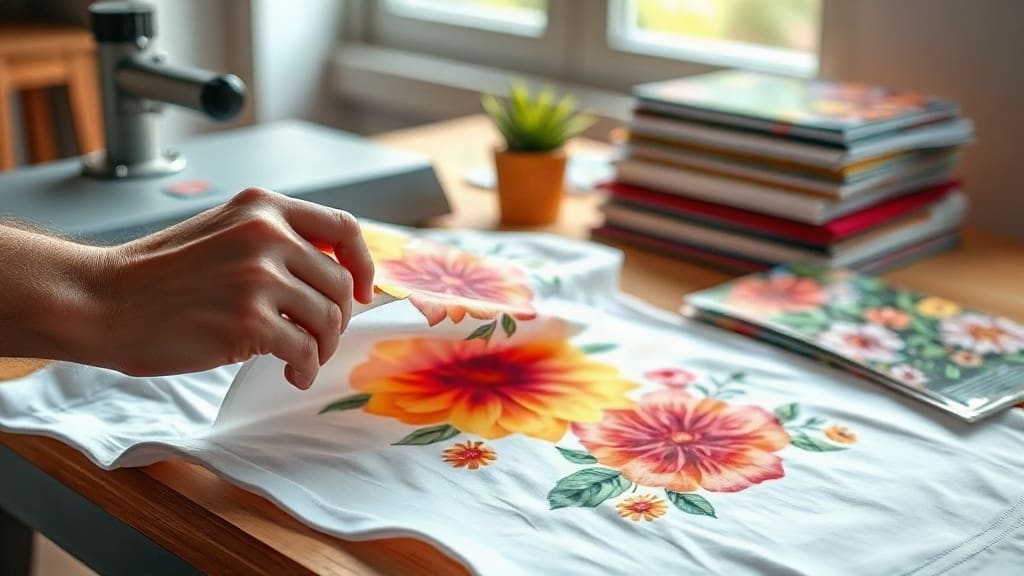
Custom apparel has never been more accessible, thanks to DTF transfers. Whether you're a small business owner looking to offer personalized products or a DIY enthusiast wanting to create unique gifts, DTF transfers provide a versatile and durable solution. Unlike traditional screen printing, DTF transfers allow you to print full-color designs on a wide range of fabrics without the need for multiple screens or specialized equipment. In this guide, we'll walk you through everything you need to know about DTF transfers, from the basics of the technology to step-by-step application and care instructions.
What Are DTF Transfers?
DTF stands for Direct-to-Film. It's a printing method where your design is printed onto a special PET film using a DTF printer, then coated with a hot-melt adhesive powder. Once the powder is cured, the transfer is ready to be applied to fabric using a heat press. The magic of DTF lies in its ability to bond with both natural and synthetic fabrics, including cotton, polyester, blends, and even nylon. This flexibility makes it a favorite among crafters and professionals alike.
How DTF Transfers Differ from Other Printing Methods
Compared to other decoration methods, DTF transfers offer several advantages. Screen printing requires separate screens for each color, making it cost-effective only for large orders. Vinyl cutting is limited to single-color designs and can be time-consuming for intricate patterns. DTF transfers, on the other hand, handle complex, multi-color designs in a single print, with no color limitations. They also eliminate the need for weeding and masking, saving you hours of tedious work.
The DTF Transfer Process: From Design to Finished Product
Understanding the entire workflow helps you achieve consistent, professional results. Here's a breakdown of each stage.
Designing Your Artwork
Start with high-resolution artwork (300 DPI is ideal). Remember that DTF prints are opaque, so light colors can be printed on dark fabrics without a base layer. However, if your design has fine details or gradients, ensure they are well-defined. Avoid using pure white text on a white background, as it won't show up.
Printing and Powdering
A DTF printer uses CMYK plus white ink to print your design onto a PET film. After printing, the film passes through a powder shaker that applies hot-melt adhesive powder evenly. Excess powder is removed, and the film is heated to melt the powder, creating a dry, tacky surface. This step is crucial for the transfer's durability.
Applying the Transfer
Once your transfer is ready, you'll need a heat press. Set the temperature to around 300°F to 325°F (150°C to 160°C) and pre-press the garment for a few seconds to remove moisture. Place the transfer on the fabric with the design facing up, and press for 10 to 15 seconds with medium pressure. Peel the film off either hot or cold, depending on the film type. For best results, always follow the instructions provided with your DTF transfers.
Choosing the Right Fabric for DTF Transfers
One of the biggest misconceptions is that DTF only works on cotton. In reality, it adheres well to polyester, cotton-poly blends, and even treated nylon. However, fabrics with a heavy texture, like ribbed knits or fleece, may require extra pressure to ensure the transfer penetrates the fibers. For stretchy fabrics, consider using a stretch additive in your powder or opting for a transfer with a slight stretch. Always test on a scrap piece before committing to a full production run.
Tips for Long-Lasting DTF Prints
To ensure your DTF transfers withstand repeated wear and washing, follow these care guidelines:
- Wait 24 hours after application before washing.
- Turn the garment inside out before washing.
- Use cold water and a mild detergent.
- Avoid bleach and fabric softeners.
- Tumble dry on low or hang to dry.
- Do not iron directly on the print; if needed, iron the reverse side.
Common Mistakes to Avoid with DTF Transfers
Even experienced crafters can run into issues. Here are a few pitfalls to watch out for:
- Insufficient pressure: This prevents the adhesive from fully bonding, leading to peeling.
- Wrong temperature: Too low and the transfer won't stick; too high and the film may melt or scorch the fabric.
- Not pre-pressing: Moisture in the fabric can cause the transfer to lift.
- Peeling too soon: If you peel hot, ensure the film is designed for hot peel; otherwise, wait until it cools.
Frequently Asked Questions About DTF Transfers
Can I use DTF transfers on dark colors?
Absolutely. DTF transfers include a white ink layer that makes them opaque, so they show up vividly on both light and dark fabrics. This is a major advantage over other methods that require a white underbase.
How do I store unused DTF transfers?
Keep them in a cool, dry place, away from direct sunlight. Place them in a sealed bag or container to prevent dust and moisture from affecting the adhesive. Properly stored transfers can last for several months.
What is the best way to remove a DTF transfer?
If you need to remove a transfer, you can use a heat press or an iron to reheat the adhesive, then peel it off while warm. Alternatively, apply a solvent like acetone to the back of the print, but test on a hidden area first to avoid damaging the fabric.
Are DTF transfers eco-friendly?
DTF printing uses water-based inks and produces less waste compared to other methods. However, the PET film and plastic powder are not biodegradable. Some manufacturers offer eco-friendly films and powders, so look for those if sustainability is a priority.
How much does it cost to start DTF printing?
Initial investment includes a DTF printer, powder shaker, heat press, and supplies. Entry-level setups can cost around $3,000 to $5,000, but prices vary. For small-scale crafters, outsourcing transfers to a service like EmbroideredUp can be more cost-effective.
With this guide, you're well on your way to mastering DTF transfers. Whether you're printing for fun or profit, the versatility and durability of DTF make it a valuable addition to your toolkit. For high-quality custom transfers, visit EmbroideredUp.com.