
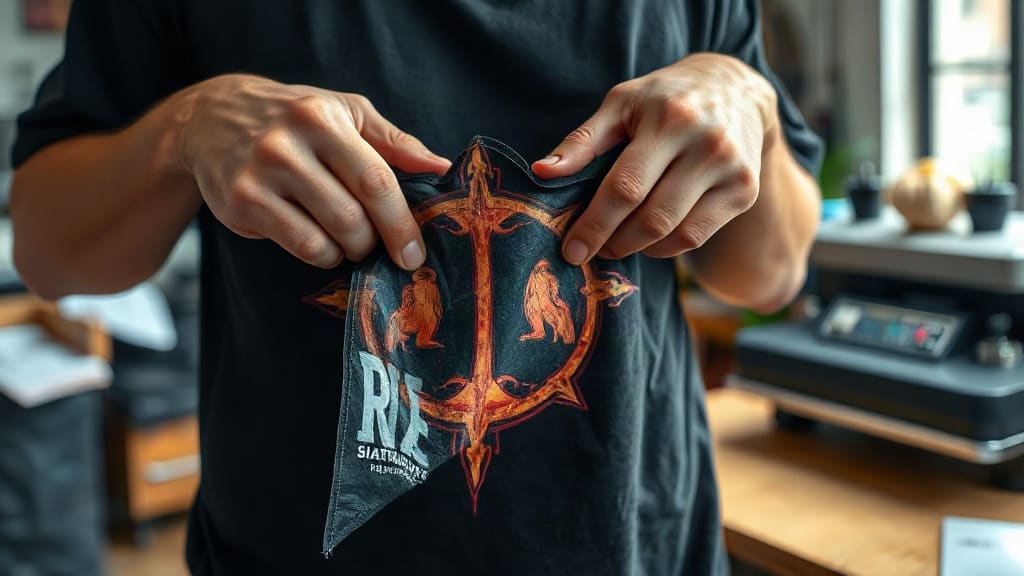
If you have ever peeled a plastic-feeling graphic off a t-shirt after a few washes, you already know why DTF transfers have become such a big deal in the custom apparel world. Direct-to-film printing produces a transfer that stretches with the fabric, holds fine detail, and works on materials that used to be off-limits for traditional heat transfer vinyl. Whether you are printing a few shirts for a team or running a small shop, understanding how DTF works will save you money and frustration.
What Exactly Are DTF Transfers?
A DTF transfer is a printed design on a special PET film. A printer lays down CMYK inks plus a white ink layer, then sprinkles a hot-melt adhesive powder over the wet ink. After the powder is cured, you have a flexible, ready-to-press transfer. The magic is in that adhesive layer: it bonds to cotton, polyester, blends, and even nylon or canvas, which is a major advantage over vinyl or DTG in many cases.
Unlike screen printing, DTF does not require a separate screen for each color. Unlike DTG, it does not need pre-treatment or fabric-specific inks. That versatility is why so many small businesses have switched to DTF transfers for everything from bachelorette party shirts to uniform patches.
How DTF Transfers Differ from Other Methods
Each decoration method has a personality. Knowing the differences helps you choose the right one for a job.
- DTF vs. HTV: Heat transfer vinyl requires weeding and layering, which is slow for multi-color designs. DTF comes ready to press with full-color detail and no weeding.
- DTF vs. DTG: DTG prints directly onto fabric, so it struggles with dark shirts and polyester. DTF transfers can go on dark colors and synthetics with ease.
- DTF vs. Screen Printing: Screen printing is cost-effective for large runs of one design, but setup costs and color limits make it less flexible for small batches. DTF shines for small to medium runs with unlimited colors.
- DTF vs. Sublimation: Sublimation only works on light polyester and requires a coating. DTF adheres to cotton and blends, and the white ink layer makes it opaque on any color.
That said, DTF is not perfect for every scenario. For example, if you need a super thin, nearly invisible feel on a performance wear garment, sublimation might still win. But for the vast majority of custom apparel, DTF hits a sweet spot of durability, color, and simplicity.
Step-by-Step: Applying DTF Transfers Like a Pro
Getting a professional result comes down to three things: temperature, pressure, and time. Here is a reliable process that works for most DTF films and adhesives.
- Preheat the garment. Set your heat press to 325°F (160°C). Press the shirt for 3-5 seconds to remove moisture and wrinkles. This step prevents the transfer from trapping steam.
- Position the transfer. Place the DTF film with the printed side down on the fabric. If you are using a transfer with a carrier sheet, make sure the adhesive side touches the garment.
- Press. Apply medium to firm pressure for 10-15 seconds. The exact time can vary by film brand, so start with 12 seconds and adjust.
- Peel. DTF transfers are usually cold peel or warm peel. Most modern films are cold peel: let the transfer cool completely before peeling the film away. Peeling too early can distort the print.
- Post-press (optional). For extra durability, cover the design with a Teflon sheet or parchment paper and press again for 5-10 seconds. This helps the adhesive fully bond.
If you are using an iron instead of a heat press, you can still get decent results, but you need to apply firm, even pressure and avoid moving the iron. A heat press is a worthwhile investment if you plan to do more than a handful of shirts.
Choosing the Right DTF Film and Powder
Not all DTF supplies are created equal. The film thickness, ink quality, and adhesive powder all affect the final feel and washability.
- Film: Look for double-sided matte film or a film designed for your printer. Cheaper films can cause ink smearing or poor powder adhesion.
- Powder: Thermoplastic polyurethane (TPU) powder is the standard. Finer powder (80-100 microns) gives a softer hand feel, while coarser powder can be more durable but slightly rougher.
- Ink: Use DTF-specific inks, not regular desktop inks. They are formulated to be flexible and to bond with the powder.
If you are buying pre-printed transfers from a supplier, ask about the powder type and recommended press settings. A good supplier will provide a technical data sheet.
Common Mistakes and How to Avoid Them
Even experienced crafters run into issues. Here are the most frequent problems and their fixes.
1. The transfer peels off after washing
This usually means insufficient pressure, too low temperature, or not enough time. Increase pressure and verify your press temperature with an infrared thermometer. Also, make sure you are pressing on a hard, flat surface, not a soft ironing board.
2. The design looks dull or cracked
Cracking can happen if the transfer is stretched during peeling or if the garment was not preheated. Always preheat and let the transfer cool before peeling. Dullness often comes from under-curing the powder; check your curing oven or press settings.
3. The white ink looks grainy
White ink requires good coverage. If you are printing your own transfers, increase the white ink density in your RIP software. If you bought transfers, try a different supplier.
DTF Transfers for Different Fabrics
One of the biggest selling points of DTF is its fabric versatility. Here is a quick reference.
- Cotton: Excellent. The adhesive bonds well and the print stretches with the fabric.
- Polyester: Very good, but use lower temperature (around 300°F) to avoid dye migration. Some polyester dyes can sublimate into the transfer, so test first.
- Blends: Generally great. 50/50 cotton-poly works well with standard settings.
- Nylon: Possible, but requires a special adhesive powder or a nylon-specific transfer. Standard DTF may not bond permanently.
- Canvas and denim: Good, but heavier fabrics may need slightly longer pressing time.
Always do a test press on a scrap piece of the same fabric before running a full order.
Washing and Caring for DTF-Printed Apparel
To keep your prints looking fresh, follow these simple care instructions:
- Wait at least 24 hours after pressing before the first wash.
- Turn the garment inside out.
- Machine wash cold with mild detergent.
- Avoid bleach and fabric softener.
- Tumble dry low or hang dry.
- If ironing, do not iron directly on the print.
With proper care, a quality DTF transfer can outlast the garment itself.
Is DTF Right for Your Business?
If you offer custom apparel, DTF transfers can expand what you can sell. You can take on small orders with complex designs, print on demand, and offer options like names and numbers without minimums. The startup cost is relatively low: a decent DTF printer and heat press can be had for a few thousand dollars, and many suppliers sell pre-printed transfers if you want to test the waters.
However, if you only print one-color designs on cotton in large volumes, screen printing may still be more economical. The key is to match the method to the job.
Frequently Asked Questions
How long do DTF transfers last?
A properly applied DTF transfer can last 50 washes or more. Durability depends on the quality of the transfer, the fabric, and how you wash the garment. Following care instructions is crucial.
Can I use DTF transfers on dark shirts?
Yes. The white ink layer in DTF transfers makes them opaque, so they show up vibrantly on black, navy, and other dark colors. This is a major advantage over DTG.
Do I need a special printer for DTF?
You can convert some inkjet printers to DTF with DTF inks and a powder shaker, but dedicated DTF printers are more reliable. Alternatively, you can buy pre-printed transfers from a supplier and just use a heat press.
What is the best temperature for pressing DTF transfers?
Most DTF transfers press at 325°F (160°C) for 10-15 seconds with medium-firm pressure. However, always check the instructions from your transfer supplier, as formulations can vary.
Can I stretch a DTF print?
DTF transfers have some stretch, which makes them suitable for performance wear and athletic fabrics. However, excessive stretching can cause cracking over time. The print will stretch with the fabric to a degree, but it is not infinitely elastic.