
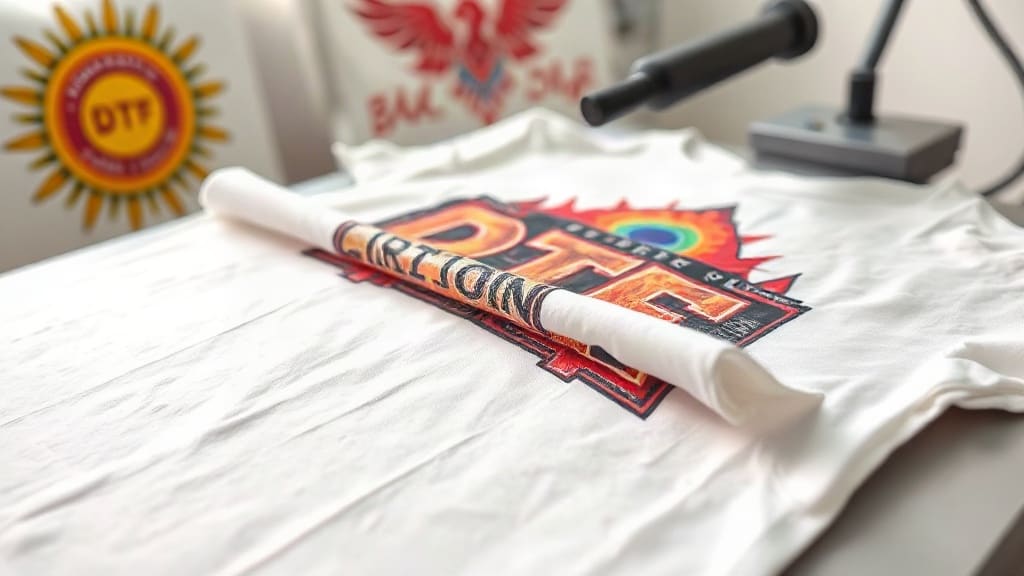
When you're building a print on demand (POD) business, the print method you choose can make or break your product quality and profit margins. Among the many options, DTF transfers have emerged as a game-changer for creators who want vibrant, durable designs without the hassle of minimum orders or complex setups. Whether you're a seasoned seller or just starting out, understanding DTF technology can give you a competitive edge in a crowded market.
What Are DTF Transfers?
DTF stands for Direct to Film. It's a printing technique where your design is printed onto a special film, coated with a adhesive powder, and then heat-pressed onto fabric. Unlike DTG (Direct to Garment) or screen printing, DTF doesn't require pre-treatment or specialized inks for different fabric colors. The result? A soft, stretchable print that bonds permanently to the material.
The process is surprisingly straightforward: your artwork is printed onto a PET film using pigment-based inks, sprinkled with a hot-melt adhesive powder, and cured. When you're ready to apply it, you simply place the transfer on your garment and press it with a heat press. The adhesive melts, fusing the ink to the fabric. This method works on cotton, polyester, blends, and even some non-fabric materials like leather and canvas.
Why DTF Transfers Are a Game-Changer for Print on Demand
If you've been in the POD space for a while, you know the pain points: limited color options, fabric restrictions, and high costs for small batches. DTF transfers solve many of these issues. Here's why they're quickly becoming the go-to choice for POD entrepreneurs.
No Minimum Orders and Easy Customization
Traditional screen printing requires separate screens for each color, making small runs expensive. DTF transfers eliminate that. You can print a single transfer or thousands, all at the same cost per unit. This means you can offer a wide range of designs without inventory risk. For POD, where you only produce items after an order is placed, this flexibility is invaluable.
Unmatched Color Vibrancy and Detail
DTF transfers produce incredibly vibrant colors, even on dark fabrics. Because the design is printed on a white adhesive layer, the colors pop without the need for a white underbase (unlike DTG). Fine details, gradients, and photographic images come out sharp and true to your original artwork. If your brand relies on eye-catching designs, DTF delivers.
Durability That Withstands Wash After Wash
Nobody wants a print that cracks or fades after a few washes. DTF transfers are known for their durability. When applied correctly, the print stretches with the fabric and resists cracking, peeling, and fading. Customers appreciate apparel that looks great for years, and that translates to fewer returns and better reviews.
Works on Almost Any Fabric
One of the biggest advantages of DTF is its versatility. It adheres to cotton, polyester, nylon, leather, and more. You're not limited to 100% cotton like with DTG. This opens up a world of product possibilities: from classic tees and hoodies to tote bags, caps, and even denim jackets.
How to Get Started with DTF Transfers in Your POD Business
Ready to integrate DTF into your workflow? Here's a step-by-step guide to help you launch successfully.
1. Choose the Right DTF Printer and Supplies
You can either purchase a DTF printer or work with a supplier who provides transfer services. If you're just starting, outsourcing transfers to a reputable company like EmbroideredUp can be cost-effective. They handle the printing, powdering, and curing, and ship the transfers to you ready to press. As you scale, you might invest in your own printer, but that requires a significant upfront cost and maintenance.
2. Master the Heat Press Application
Proper application is crucial for a professional finish. Here are the key steps:
- Preheat your heat press to the recommended temperature (usually 300-325°F or 150-160°C).
- Place the garment on the press and pre-press for a few seconds to remove moisture.
- Position the DTF transfer with the design facing up.
- Press with medium pressure for 10-15 seconds.
- Wait for the transfer to cool completely (cold peel) before slowly peeling off the film.
- For best durability, press again for 5-10 seconds with a protective sheet.
Always test on a scrap piece first to dial in your settings.
3. Design for DTF Success
Not all designs are created equal. To get the best results with DTF, keep these tips in mind:
- Use high-resolution images (300 DPI or higher).
- Avoid very thin lines or tiny text that might not adhere well.
- For dark garments, ensure your design has enough contrast.
- Consider the fabric type: stretchy fabrics need a stretchable transfer.
4. Market Your DTF Products Effectively
Once you have your products, showcase their quality. Take clear photos that highlight the vibrant colors and soft feel. Mention the durability and versatility in your product descriptions. Customers are more likely to buy when they understand the value of DTF printing.
Common Challenges and How to Overcome Them
Even with a great method, issues can arise. Here are some common DTF problems and their solutions.
Adhesion Issues
If your transfer peels off, it's usually due to insufficient pressure, incorrect temperature, or not pre-pressing the garment. Ensure your heat press is calibrated and apply consistent pressure. Also, some fabrics like nylon require lower temperatures; always check the fabric's heat tolerance.
Color Fading After Wash
To prevent fading, make sure you're using quality transfers and following the cold peel method. Also, advise customers to wash garments inside out in cold water and avoid harsh detergents. A second press after application can also improve washability.
Film Residue
Sometimes a sticky residue remains after peeling. This can happen if the transfer wasn't cooled completely. Always wait for it to cool down fully before peeling. If residue persists, it might be a sign of over-pressing or low-quality film.
Is DTF Right for Your Print on Demand Business?
If you're looking for a printing method that offers flexibility, vibrant colors, and durability without breaking the bank, DTF is an excellent choice. It's particularly well-suited for businesses that want to offer a wide range of products with complex designs. However, if you specialize in very large orders of simple designs, screen printing might still be more cost-effective. Evaluate your product mix and customer base to decide.
Frequently Asked Questions About DTF Transfers
What fabrics can I use with DTF transfers?
DTF transfers work on a wide range of fabrics, including cotton, polyester, cotton-poly blends, nylon, leather, and canvas. They are not recommended for fabrics with a heavy texture or waterproof coatings.
How long do DTF transfers last?
When applied correctly and cared for properly, DTF transfers can last as long as the garment itself. They resist cracking and fading for 50+ washes. Following washing instructions (inside out, cold water, no bleach) will maximize longevity.
Can I use DTF transfers on dark colors?
Absolutely. DTF transfers are ideal for dark fabrics because they include a white adhesive layer that makes colors pop. You don't need a separate white underbase, so the process is simpler than DTG.
Do I need a special printer for DTF?
Yes, DTF printing requires a dedicated DTF printer that uses pigment inks and a powder shaker. However, you can also buy pre-printed transfers from suppliers, which is a great way to start without a large investment.
How do I store DTF transfers?
Store unused DTF transfers in a cool, dry place, away from direct sunlight. Keep them flat or rolled, and avoid folding them to prevent creases. They typically have a shelf life of 6-12 months.
Embracing DTF technology can elevate your print on demand offerings, delight your customers, and streamline your production. With the right knowledge and tools, you can create custom apparel that stands out in a competitive market.