
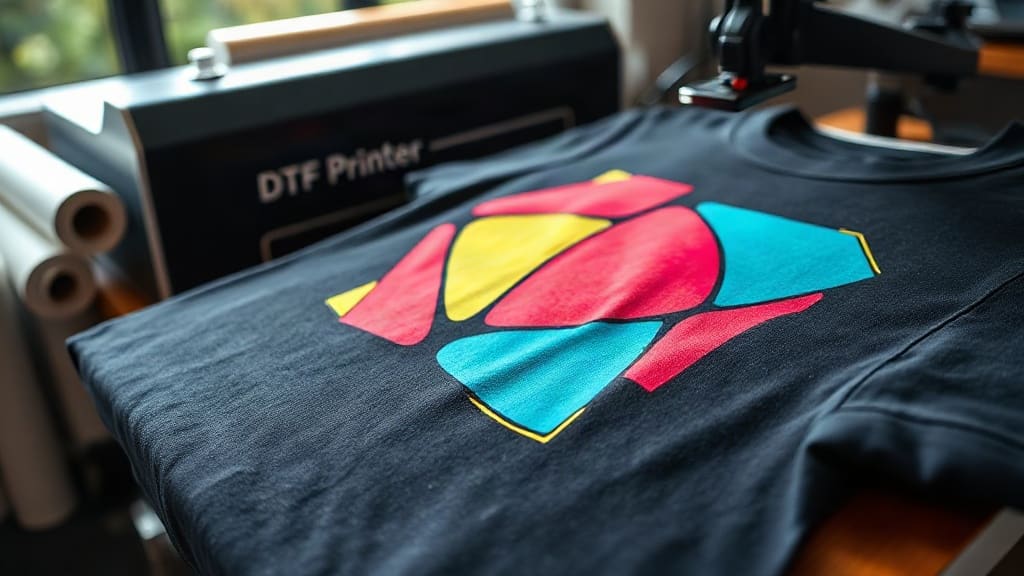
Imagine pressing a vibrant, full-color design onto a cotton tote bag or a polyester jersey, and having it survive dozens of washes without fading or cracking. That's the promise of DTF transfers, a printing technology that has taken the custom apparel world by storm. Unlike traditional methods that require specific fabrics or complicated setups, DTF transfers offer unmatched versatility and durability. Whether you're a small business owner, a hobbyist, or a professional decorator, understanding DTF transfers can open up a world of creative possibilities.
What Are DTF Transfers?
DTF stands for Direct to Film. It's a printing process where your design is printed onto a special film, coated with a adhesive powder, and then heat-pressed onto the fabric. The result is a soft, stretchable, and highly detailed print that bonds permanently to the material. Unlike DTG (Direct to Garment) which prints directly onto the fabric, DTF transfers allow you to print the design first and then apply it to a wide range of substrates, including cotton, polyester, blends, and even leather.
The DTF Printing Process Step by Step
To appreciate DTF transfers, it helps to understand how they're made. Here's a breakdown of the process:
- Design Preparation: Your artwork is prepared digitally, with colors separated and white ink layer created for opacity.
- Printing: A specialized DTF printer lays down the design using CMYK inks and a white base onto a PET film.
- Powdering: While the ink is still wet, a hot-melt adhesive powder is applied evenly over the print.
- Curing: The film passes through a heat source to melt the powder, creating a dry, tacky surface.
- Transfer: The film is placed on the fabric and heat-pressed, transferring the design permanently.
Each step is crucial for a successful transfer, but the beauty is that once you have the film, you can store it and use it on demand.
Why DTF Transfers Are a Game-Changer
DTF transfers have several advantages that make them stand out from other decoration methods. Let's explore the key benefits.
Unmatched Versatility
One of the biggest draws is that DTF transfers work on almost any fabric. Cotton, polyester, silk, leather, and even denim are fair game. This means you can offer custom apparel without worrying about fabric restrictions. For businesses, this simplifies inventory and expands product offerings.
Vibrant, Durable Prints
DTF transfers produce incredibly detailed prints with vibrant colors. The white ink base ensures that colors pop even on dark garments. And because the adhesive bonds with the fabric fibers, the print stretches with the material without cracking. Properly applied, a DTF transfer can outlast the garment itself.
Cost-Effective for Small Runs
Unlike screen printing, which requires separate screens for each color and becomes cost-effective only at high volumes, DTF transfers are economical for short runs. You can print one-off designs or small batches without breaking the bank. This makes them perfect for personalized gifts, samples, or small business merchandise.
No Weeding or Cutting
If you've ever worked with heat transfer vinyl (HTV), you know the pain of weeding tiny details. DTF transfers eliminate that entirely. The design comes ready to press, saving hours of labor and reducing waste.
DTF Transfers vs. Other Decoration Methods
How do DTF transfers stack up against DTG, screen printing, and HTV? Here's a quick comparison:
- DTG: Best for 100% cotton, but colors can be muted on dark shirts and the process requires pre-treatment. DTF works on more fabrics and often yields brighter results.
- Screen Printing: Excellent for large orders and bold designs, but setup costs are high and it's not practical for small runs. DTF shines for small to medium batches.
- HTV: Great for simple designs, but layering multiple colors is time-consuming and the result can be thick. DTF produces a thinner, more integrated feel.
While each method has its place, DTF transfers offer a unique blend of versatility, quality, and efficiency.
How to Apply DTF Transfers Like a Pro
Getting a perfect DTF transfer requires attention to detail. Follow these steps for professional results.
Step 1: Prepare Your Heat Press
Set your heat press to the recommended temperature, typically 325°F (160°C). Pre-press the garment for a few seconds to remove moisture and wrinkles. This ensures a smooth surface for the transfer.
Step 2: Position the Transfer
Place the DTF transfer on the garment with the printed side facing up. Use heat-resistant tape if needed to keep it in place.
Step 3: Press
Apply medium to firm pressure for 10-15 seconds. The exact time can vary based on the film and fabric, so always test first. Peel the film while it's still warm (warm peel) or after it cools (cold peel) depending on the manufacturer's instructions.
Step 4: Post-Press
For added durability, you can cover the design with a Teflon sheet or parchment paper and press again for a few seconds. This helps the adhesive fully bond.
Common Mistakes to Avoid
- Using too much pressure, which can cause the design to spread and lose detail.
- Pressing at too high a temperature, which can scorch the fabric or melt the film.
- Peeling too early or too late, leading to incomplete transfer.
- Not pre-pressing, resulting in moisture that prevents proper adhesion.
Choosing the Right DTF Supplies
The quality of your DTF transfers depends heavily on the supplies you use. Here's what to look for:
- Film: Opt for high-quality PET film designed for DTF. It should be coated to accept ink and release cleanly.
- Inks: Use DTF-specific inks that are vibrant and durable. Cheap inks can clog your printer and produce dull results.
- Powder: The adhesive powder should be fine and consistent. TPU-based powders are popular for their flexibility.
- Printer: A dedicated DTF printer with a white ink channel is essential. Converted printers can work but may require more maintenance.
Investing in quality supplies will save you time and frustration in the long run.
DTF Transfers for Business: Scaling Up
If you're running a custom apparel business, DTF transfers can be a lucrative addition. They allow you to offer a wide range of products without large inventories. You can print on demand, reducing waste and storage costs. Plus, the fast turnaround means you can fulfill orders quickly, keeping customers happy.
To scale up, consider automating your workflow with a conveyor dryer or a heat press with multiple stations. Consistent quality is key to building a reputation.
Frequently Asked Questions About DTF Transfers
How long do DTF transfers last?
With proper application and care, DTF transfers can last as long as the garment. They withstand repeated washing without fading, cracking, or peeling. To maximize longevity, wash inside out in cold water and avoid bleach.
Can I use DTF transfers on dark colors?
Absolutely. DTF transfers include a white ink base that makes colors vibrant on both light and dark fabrics. This is one of their biggest advantages over DTG printing.
Do I need a special printer for DTF transfers?
Yes, you need a DTF printer that supports white ink and is designed for film printing. However, you can also buy pre-printed DTF transfers from suppliers if you don't want to invest in equipment.
What fabrics work best with DTF transfers?
DTF transfers adhere well to cotton, polyester, blends, leather, and more. They are not recommended for fabrics with heavy coatings or waterproof treatments, as adhesion may be compromised.
Is DTF printing cost-effective for small businesses?
Yes, DTF transfers are very cost-effective for small runs because there are no setup fees or minimum order quantities. You can print one-off designs or small batches without high costs.
Final Thoughts
DTF transfers are more than just a trend; they're a versatile and reliable decoration method that empowers creators and businesses alike. By understanding the process, benefits, and best practices, you can harness the power of DTF transfers to bring your designs to life on almost any fabric. Whether you're decorating a few shirts for a team or launching a full apparel line, DTF transfers offer the quality and flexibility you need to succeed.