
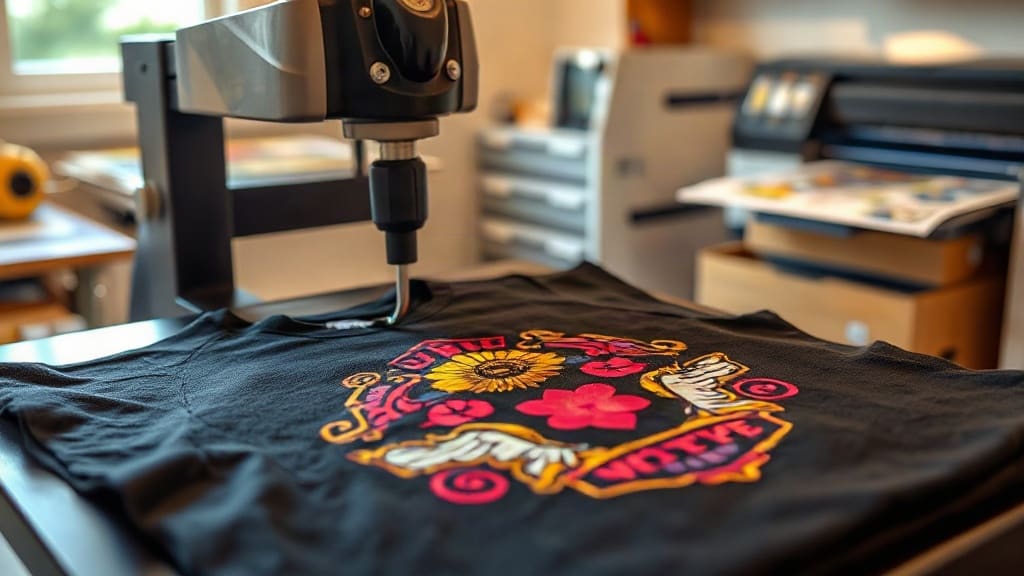
When it comes to creating custom apparel that stands out, the printing method you choose makes all the difference. Among the many options available, DTF transfers have emerged as a game-changer for both hobbyists and professional decorators. Whether you're running a small print shop or designing team jerseys, understanding DTF transfers can elevate your creations from ordinary to extraordinary. In this guide, we'll dive deep into what DTF transfers are, how they work, and why they might be the perfect solution for your next project.
What Are DTF Transfers?
DTF stands for Direct-to-Film. It's a printing technology where your design is printed onto a special film, coated with a powder adhesive, and then heat-pressed onto the fabric. Unlike DTG (Direct-to-Garment) or screen printing, DTF transfers don't require pretreating the garment or using specialized inks for different fabric types. This versatility means you can apply DTF transfers to cotton, polyester, blends, and even nylon or leather with impressive results.
The DTF Printing Process Step by Step
Curious about how a DTF transfer comes to life? Here's a breakdown of the process:
- Design Preparation: Your artwork is prepared digitally, ensuring it's mirrored and sized correctly.
- Printing: A DTF printer lays down white ink as a base, followed by CMYK inks, onto a PET film. The white layer is crucial for opacity on dark fabrics.
- Powdering: While the ink is still wet, a hot-melt adhesive powder is applied evenly over the print.
- Curing: The film passes through a heat source to melt the powder, creating a dry, tacky surface.
- Transfer: The film is placed on the garment and heat-pressed. After cooling, the film is peeled away, leaving the vibrant design bonded to the fabric.
Each step requires precision, but the result is a durable, stretchable print that feels soft to the touch.
Why Choose DTF Transfers for Your Custom Apparel?
There are plenty of reasons why DTF transfers have become a favorite among apparel decorators. Let's explore the key benefits.
Unmatched Versatility Across Fabrics
One of the biggest advantages of DTF transfers is their ability to adhere to a wide range of materials. Unlike vinyl or screen printing, which may require specific fabric types, DTF works beautifully on cotton, polyester, cotton-poly blends, and even treated nylon. This opens up a world of possibilities for customizing everything from t-shirts and hoodies to tote bags and caps.
Vibrant Colors and Fine Details
DTF printing excels at reproducing intricate designs with gradients, fine lines, and photorealistic images. The white ink base ensures that colors pop, even on dark garments. Whether you're printing a detailed logo or a full-color photograph, DTF transfers deliver sharp, vivid results that resist fading over time.
Durability and Washability
When applied correctly, DTF transfers are incredibly durable. They withstand repeated washing without cracking, peeling, or fading. The adhesive powder creates a strong bond with the fabric, ensuring the print remains intact even after years of wear. This makes DTF transfers ideal for workwear, sports uniforms, and promotional apparel that need to endure heavy use.
Cost-Effective for Short Runs
For small businesses or individuals creating limited quantities, DTF transfers are a cost-effective alternative to screen printing. There's no need for expensive setup fees or minimum order quantities. You can print one-off designs or small batches without breaking the bank, making it perfect for personalized gifts or sample production.
DTF Transfers vs. Other Printing Methods
How do DTF transfers stack up against other popular printing techniques? Let's compare.
DTF vs. DTG
Direct-to-Garment (DTG) printing is great for cotton fabrics but struggles with polyester and dark colors. DTF, on the other hand, works on almost any fabric and doesn't require pretreatment. DTF also tends to have a softer feel and better stretchability.
DTF vs. Screen Printing
Screen printing is cost-effective for large orders but involves setup costs and is limited to simpler designs. DTF transfers shine for complex, multi-color designs and short runs, with no setup fees.
DTF vs. Vinyl
Heat transfer vinyl (HTV) is easy for simple shapes but can't handle fine details or gradients. DTF transfers can reproduce full-color images with photographic quality, making them far more versatile.
How to Apply DTF Transfers: Best Practices
To get the best results from your DTF transfers, follow these expert tips.
Choose the Right Heat Press Settings
Temperature, pressure, and time are critical. Typically, you'll press at 325°F (160°C) for 15 seconds with medium pressure. However, always check the instructions provided with your transfers, as formulations can vary.
Pre-Press the Garment
Before applying the transfer, pre-press the garment for a few seconds to remove moisture and wrinkles. This ensures a smooth surface for the transfer to adhere to.
Peel with Care
After pressing, allow the transfer to cool completely before peeling off the film. This is known as a cold peel. Peeling too soon can cause the design to lift or distort.
Post-Press for Extra Durability
For added wash resistance, you can post-press the transferred design for another 5-10 seconds with a protective sheet over it. This further embeds the adhesive into the fabric.
Common Mistakes to Avoid with DTF Transfers
Even seasoned pros can make mistakes. Here are a few pitfalls to watch out for.
- Insufficient Pressure: Without enough pressure, the transfer won't bond properly, leading to peeling.
- Uneven Heat: Hot spots on your press can cause scorching or incomplete adhesion.
- Wrong Fabric: While DTF is versatile, some fabrics like certain nylons may require lower temperatures or special handling.
- Neglecting Storage: Store unused transfers in a cool, dry place to prevent the adhesive from absorbing moisture.
Frequently Asked Questions About DTF Transfers
Can DTF transfers be used on dark-colored shirts?
Absolutely. DTF transfers include a white ink base that makes colors vibrant on dark fabrics. The white layer ensures opacity, so your design stands out clearly.
How long do DTF transfers last?
With proper application and care, DTF transfers can last as long as the garment itself. They resist cracking, peeling, and fading for 50+ washes when washed inside out in cold water and tumble dried low.
Do I need a special printer for DTF transfers?
Yes, DTF printing requires a dedicated DTF printer that uses pigment inks and a white ink channel. However, you can also purchase pre-printed DTF transfers from suppliers if you don't want to invest in a printer.
Are DTF transfers stretchable?
Yes, DTF transfers are flexible and can stretch with the fabric without cracking. This makes them ideal for athletic wear and garments that require movement.
What fabrics work best with DTF transfers?
DTF transfers work well on cotton, polyester, blends, and even nylon and leather. They are particularly effective on fabrics that are difficult to print with other methods.
With their versatility, durability, and vibrant results, DTF transfers are a smart choice for anyone looking to create custom apparel that impresses. Whether you're a DIY enthusiast or a professional decorator, incorporating DTF into your workflow can open up new creative possibilities. So why not give it a try? Your next masterpiece is just a heat press away.