
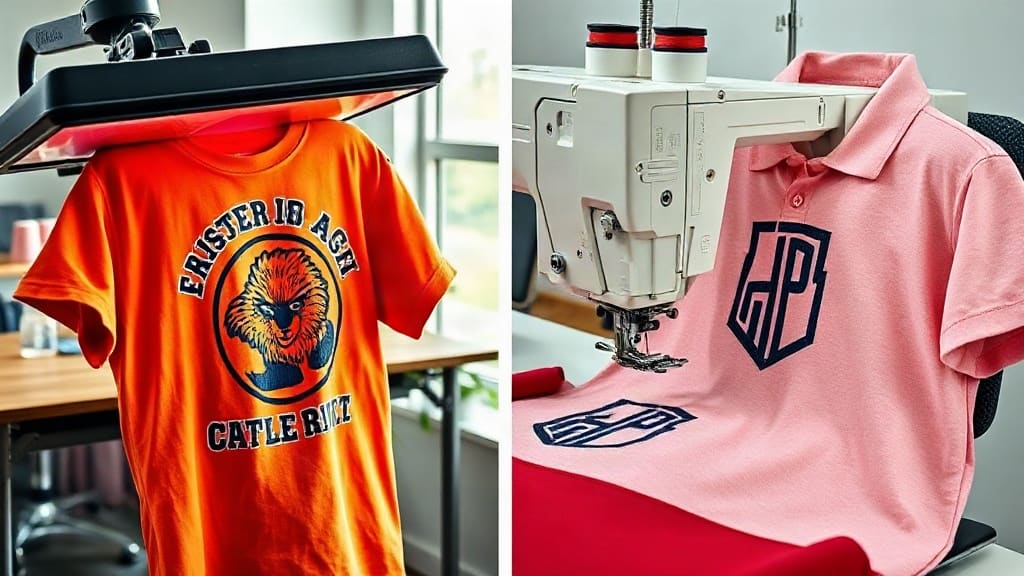
When you're planning custom apparel, the method you choose can make or break your project. Two popular options are DTF transfers and embroidery. Both offer unique advantages, but they cater to different needs. In this guide, we'll dive deep into the world of DTF transfers and embroidery, comparing them across key factors like cost, durability, design complexity, and ideal applications. By the end, you'll know exactly which technique suits your next order.
What Are DTF Transfers?
DTF transfers (Direct-to-Film) are a relatively new printing technology that has taken the custom apparel industry by storm. The process involves printing a design onto a special PET film using water-based pigments, then applying a powder adhesive and curing it. The transfer is then heat-pressed onto the fabric. This method works on a wide range of materials, including cotton, polyester, blends, and even nylon. The result is a vibrant, detailed print with a soft feel that can stretch with the garment.
What Is Embroidery?
Embroidery is a traditional decoration method where threads are stitched directly into the fabric to create a design. It's been used for centuries and is often associated with premium, professional looks. Embroidery is typically done on caps, polos, jackets, and bags, but it can also be used on t-shirts and other garments. The stitching adds texture and a three-dimensional effect that many people find appealing.
Key Differences Between DTF Transfers and Embroidery
Before we dive into the specifics, let's look at a high-level comparison. The table below summarizes the main differences, but we'll explore each in detail.
Cost
Cost is often a deciding factor. DTF transfers are generally more affordable for small to medium orders, especially when you have complex, multi-color designs. The setup cost is low because there's no need for digitizing or additional screens. Embroidery, on the other hand, requires digitizing the design into a stitch file, which is a one-time fee per design. The cost per piece for embroidery can be higher for small orders due to the time and thread involved, but it becomes more economical for large orders of simple designs.
Durability and Washability
Both methods are durable, but they age differently. DTF transfers are known for their stretchability and resistance to cracking when properly applied and cared for. However, they can fade over time with repeated washing, especially if washed in hot water or dried on high heat. Embroidery is extremely durable; the threads are stitched into the fabric, so they won't peel or crack. The main concern with embroidery is that the fabric itself might wear out before the stitching does.
Design Complexity and Detail
DTF transfers excel at reproducing intricate details, gradients, and photographic images. Because it's a printing process, you can have unlimited colors and fine lines. Embroidery, while capable of detailed work, has limitations. Very small text, thin lines, and complex gradients don't translate well to stitches. Embroidery is best for bold, simple designs with solid colors and clear outlines.
Fabric Compatibility
DTF transfers can be applied to almost any fabric, including cotton, polyester, blends, nylon, and even leather. This versatility makes it a go-to for diverse garment types. Embroidery works best on stable fabrics like woven cotton, canvas, and denim. It can be tricky on stretchy or delicate fabrics, as the stitching can cause puckering or distortion.
Feel and Appearance
DTF transfers produce a smooth, soft print that becomes part of the fabric. The hand feel is light, and the colors are vibrant. Embroidery adds texture and a raised, three-dimensional look. Some people love the premium feel of embroidery, while others prefer the seamless appearance of DTF.
When to Choose DTF Transfers
Consider DTF transfers for:
- Full-color, photographic, or gradient designs
- Small to medium orders where cost-effectiveness matters
- Stretchy fabrics like spandex or performance wear
- Detailed logos with small text
- Quick turnarounds (DTF can be faster than embroidery for complex designs)
When to Choose Embroidery
Embroidery is ideal for:
- Classic, professional looks on polos, caps, and jackets
- Durable, long-lasting branding
- Simple, bold designs with solid colors
- Textured, premium appearance
- Large orders of the same design
Hybrid Approaches
You don't always have to choose one or the other. Many businesses combine both methods. For example, you could embroider a company logo on a polo shirt and use DTF transfers for a colorful event graphic on the back. This leverages the strengths of each technique.
Practical Tips for Using DTF Transfers
If you decide to go with DTF transfers, keep these tips in mind:
- Always follow the recommended heat press settings (temperature, pressure, time) for your specific film and fabric.
- Pre-press the garment to remove moisture and wrinkles.
- Use a Teflon sheet or parchment paper to protect the transfer during pressing.
- Wait 24 hours before washing, and wash inside out in cold water. Avoid fabric softeners and bleach.
- Store unused transfers in a cool, dry place away from direct sunlight.
Practical Tips for Embroidery
For embroidery projects, consider these pointers:
- Work with a digitizer who understands your vision and can create an efficient stitch file.
- Choose the right backing (stabilizer) for your fabric to prevent puckering.
- Test stitch on a scrap piece of fabric before running the full order.
- Use high-quality threads that are colorfast and resistant to breaking.
- For stretchy fabrics, use a cut-away stabilizer and consider adding interfacing.
Frequently Asked Questions
Can DTF transfers be applied to dark fabrics?
Yes, DTF transfers work well on dark fabrics. The printing process includes a white ink layer that makes colors pop on dark backgrounds. Just ensure you use a transfer designed for dark garments.
How long do DTF transfers last?
With proper application and care, DTF transfers can last as long as the garment itself. However, they may fade or crack if subjected to high heat or harsh chemicals. Following washing instructions is key.
Is embroidery more expensive than DTF transfers?
It depends on the order size and design complexity. For small orders with intricate designs, DTF transfers are often cheaper. For large orders with simple designs, embroidery can be more cost-effective per piece. Always get quotes for your specific project.
Can I use DTF transfers on polyester?
Absolutely. DTF transfers adhere well to polyester and polyester blends. In fact, they are a great alternative to sublimation for polyester because they can be applied to both light and dark colors.
Which method is better for athletic wear?
DTF transfers are generally better for athletic wear because they stretch with the fabric and don't restrict movement. Embroidery can be heavy and may not stretch, causing discomfort during physical activity.
Final Thoughts
Both DTF transfers and embroidery have their place in the custom apparel world. Your choice should align with your design, budget, fabric, and intended use. If you need vibrant, detailed prints on a variety of fabrics, DTF transfers are a fantastic option. If you're after a classic, durable, and textured look, embroidery is the way to go. And remember, you can always mix both methods to get the best of both worlds. For high-quality DTF transfers and expert advice, visit embroideredup.com.