
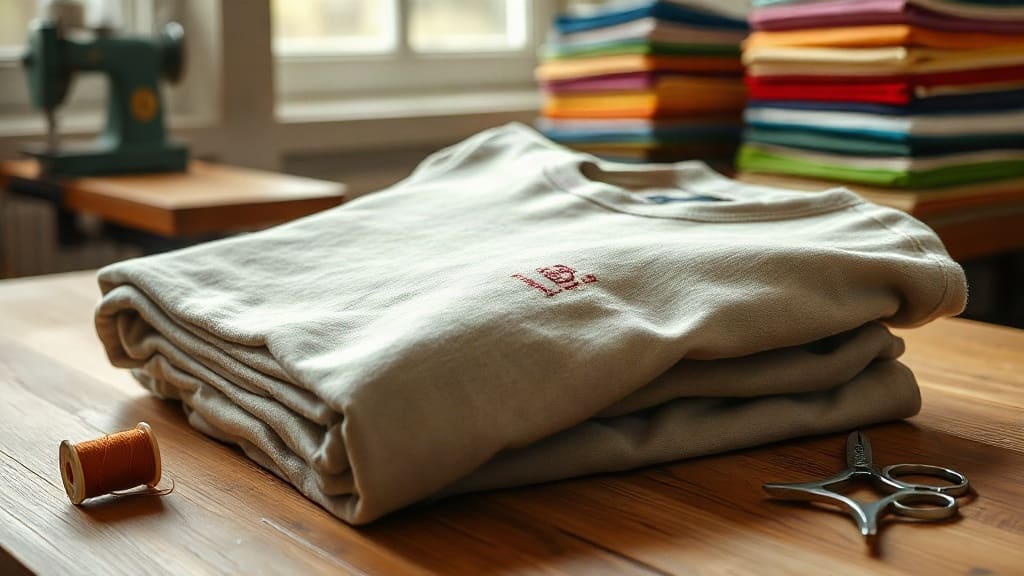
When you hold a Shaka Wear tee in your hands, the first thing you notice is the weight. It feels substantial, not flimsy, and that heft hints at why this brand has become a quiet staple in streetwear and workwear circles. For anyone into custom embroidery, that initial impression matters. A heavy cotton tee or hoodie can handle dense stitching without puckering, and it wears in rather than out. I have stitched on dozens of blanks over the years, and Shaka Wear consistently delivers a surface that takes embroidery cleanly, wash after wash. If you are planning a custom piece, whether for a small brand, a team, or just a personal project, this guide will walk you through what makes these blanks different, how to pick the right one, and how to get embroidery results that look intentional and last.
Why Shaka Wear Blanks Stand Out for Embroidery
Not all blanks are created equal. Some are soft but thin, some are sturdy but stiff. Shaka Wear sits in a sweet spot: mid-to-heavyweight cotton, often 6 oz or more, with a tight knit that resists distortion. That density is crucial because embroidery adds tension to the fabric. On a lightweight tee, a large chest logo can pull the fabric inward, creating a wrinkled halo around the design. On a Shaka Wear tee, the fabric holds its shape, so the embroidery sits flat and smooth.
Another factor is the cut. Shaka Wear garments tend to have a relaxed, boxy fit that has become synonymous with modern streetwear. This silhouette gives you more real estate for embroidery, whether you are placing a small left-chest logo or a bold back panel. The seams are usually reinforced, which means they can handle the extra weight of dense stitching without splitting. I have seen cheaper blanks where the shoulder seams give out after a few wears, but Shaka Wear holds up.
Choosing the Right Shaka Wear Garment for Your Project
Shaka Wear offers several styles, and the best choice depends on your design and how the piece will be worn. Here is a quick breakdown of the most common options and what they bring to embroidery.
T-Shirts: The Everyday Workhorse
Their classic crewneck tees are a go-to for left-chest logos, small back-neck hits, or even full-front designs. The cotton is soft enough to be comfortable but sturdy enough to support moderate stitch counts. For a standard 3-inch logo, a 40-weight polyester thread works beautifully. If you want a softer, vintage look, consider a 60-weight thread, but be aware that finer threads may require a tighter stitch density to cover well. On Shaka tees, I usually recommend a medium cutaway backing to stabilize the design without adding bulk.
Hoodies and Sweatshirts: Canvas for Bold Statements
Fleece is a different beast. The looped interior can cause stitches to sink, so you need a topping, often a water-soluble film, to keep the embroidery on the surface. Shaka Wear hoodies typically have a smooth face, which helps. For large back designs, consider a fusible poly-mesh backing to prevent the fabric from stretching during the stitchout. I once embroidered a 10-inch back logo on a Shaka hoodie; with the right backing and a stitch count around 12,000, it came out crisp with no distortion. The key is to test on a scrap piece first, especially if you are using metallic or high-sheen threads.
Long Sleeves and Specialty Items
Long sleeve tees offer additional placement options, such as sleeve hits or vertical text along the forearm. Shaka Wear long sleeves maintain the same fabric quality, so you can expect similar embroidery performance. Just remember that smaller areas like sleeves require careful hooping; a magnetic hoop or a sleeve frame can make the job easier and prevent hoop burn.
Thread and Stabilizer Choices for Shaka Wear
The thread you choose affects both look and durability. For a classic, bold logo, 40-weight polyester thread is the standard. It is colorfast, strong, and works on almost any fabric. If you want a more refined, subtle look, 60-weight thread gives a finer appearance but may require adjustments to stitch density. Rayon thread offers a high sheen but is less durable than polyester, so it is better for fashion pieces that won't see heavy washing.
Stabilizer is equally important. For knit fabrics like Shaka Wear tees, a cutaway stabilizer is usually best because it provides permanent support and won't tear away over time. For lighter knits, a no-show mesh stabilizer can be a good alternative, especially for small logos. Always test your combination on a similar fabric swatch before stitching the final garment.
Design Tips for Embroidering on Shaka Wear
Not every design translates well to embroidery. Here are some guidelines to ensure your artwork looks great stitched.
- Keep it simple. Fine details and small text can get lost. Aim for bold shapes and clear lines.
- Consider the fabric color. High-contrast thread colors pop, while tone-on-tone creates a subtle, premium feel.
- Think about placement. The left chest is classic, but a centered chest or back design can make a statement. Avoid placing embroidery over seams or pockets.
- Digitize for the fabric. A good digitizer will adjust pull compensation and underlay for knit fabrics, which reduces distortion.
I learned this the hard way when I tried to embroider a detailed script logo on a Shaka tee without adjusting the digitizing. The letters blurred together. After re-digitizing with a satin stitch and a bit more spacing, it looked sharp. Now I always preview the stitch file on screen before running it.
Care and Maintenance for Embroidered Shaka Wear
To keep your embroidered piece looking fresh, wash it inside out in cold water and tumble dry on low. Avoid bleach and fabric softener, which can degrade the thread and backing over time. If you need to iron, do it on the reverse side, and never press directly on the embroidery. With proper care, a well-embroidered Shaka Wear garment can last for years, becoming a favorite in your rotation.
Frequently Asked Questions
Can I embroider on any Shaka Wear garment?
Most Shaka Wear garments are suitable for embroidery, but always check the fabric content and weight. Heavier knits and fleece are ideal, while very lightweight or stretchy fabrics may require additional stabilizer. If in doubt, test on a small area first.
What is the best thread for Shaka Wear t-shirts?
A 40-weight polyester thread is the most versatile choice. It is durable, colorfast, and works well on cotton knits. For a softer, more delicate look, you can use 60-weight thread, but you may need to adjust your stitch density.
How do I prevent puckering when embroidering on Shaka Wear?
Puckering often comes from too much tension or inadequate stabilization. Use a cutaway stabilizer, make sure the fabric is hooped taut but not stretched, and adjust your machine's tension. Digitizing with the right underlay also helps.
Can I put a large embroidery design on the back of a Shaka Wear hoodie?
Yes, but you will need a strong backing, such as fusible poly-mesh, and possibly a topping to keep stitches from sinking into the fleece. Keep the stitch count manageable and test the design on a similar fabric first.
Where can I find Shaka Wear blanks for my embroidery projects?
Shaka Wear is available through many wholesale blank suppliers and online retailers. Look for authorized distributors to ensure authenticity and quality. If you are buying in bulk, check for minimum order quantities and shipping costs.