
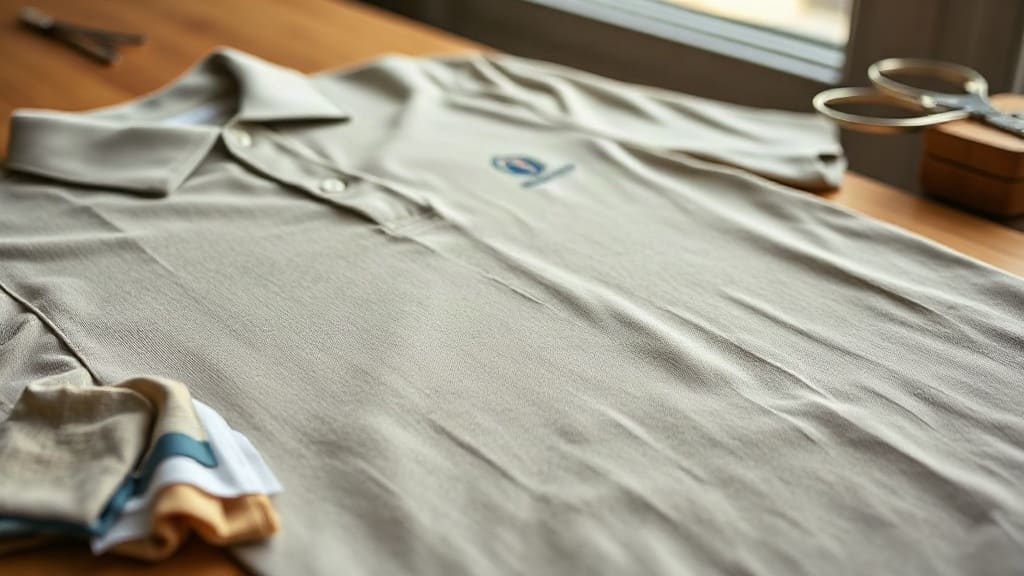
When you invest in custom embroidery, the final result depends on two things: the quality of the embroidery itself and the quality of the garment it's stitched onto. That's where smart blanks come in. A smart blank is any garment or fabric that's specifically engineered or selected to work beautifully with embroidery. It's not just about color or style; it's about how the fabric handles needle penetration, how it stabilizes stitches, and how it feels against the skin. Whether you're a small business owner ordering branded polos or a hobbyist embroidering a gift, understanding smart blanks will elevate your work from homemade to professional.
What Makes a Blank 'Smart' for Embroidery?
Not all fabrics are created equal when it comes to embroidery. A smart blank has specific characteristics that allow the needle and thread to create clean, dense, and durable stitches. Here are the key factors:
- Fabric weight and density: Medium to heavy-weight fabrics like cotton twill, denim, and canvas provide a stable base that won't pucker or distort under the weight of dense embroidery.
- Thread count and weave: Tightly woven fabrics, such as broadcloth or poplin, hold stitches securely and prevent them from sinking into the fabric.
- Stretch recovery: If you're embroidering on knits, look for fabrics with good stretch recovery (like cotton-spandex blends) so the design doesn't crack or warp when worn.
- Colorfastness: The blank's dye should not bleed or fade, especially if you're using light-colored threads on dark fabric.
- Surface texture: Smooth fabrics allow for crisp detail, while textured fabrics (like pique or fleece) can add dimension but may require adjustments in digitizing.
When you choose a smart blank, you're setting yourself up for success. The embroidery will look sharper, last longer, and feel more comfortable.
Top Smart Blanks for Different Projects
Different projects call for different blanks. Here are some reliable choices based on common embroidery applications.
1. Corporate Apparel: Polos and Button-Downs
For professional settings, you want a polished look. High-quality cotton pique polos are a classic smart blank because they're durable, hold their shape, and provide a smooth canvas for left-chest logos. Look for polos with a tight knit and a bit of weight (around 200-220 GSM). Button-down shirts in cotton poplin or oxford cloth also work well, but be sure to use a cut-away stabilizer to prevent the collar from curling.
2. Casual Wear: T-Shirts and Hoodies
T-shirts are popular for embroidery, but not all tees are smart blanks. Thin, slubby fabrics can cause stitches to sink and create a messy look. Opt for ringspun cotton tees with a weight of at least 5.3 oz. For hoodies, fleece is a smart blank if it's dense and has a smooth face. Avoid cheap, fuzzy fleece that swallows stitches. Also, consider the location: a left-chest logo on a hoodie needs a lightweight backing, while a large back design requires more stabilizer.
3. Outdoor and Workwear: Jackets and Caps
Outerwear often uses durable fabrics like nylon, polyester, and canvas. These are smart blanks because they resist abrasion and hold embroidery well. However, they can be slippery, so use a topping (like solvy) to keep stitches from sinking. Caps are a staple for embroidery, but the front panel must be structured. Unstructured caps can pucker. Look for caps with buckram backing or heavy foam front.
4. Bags and Accessories: Totes and Pouches
Canvas and denim totes are excellent smart blanks. They're sturdy, have a tight weave, and can handle dense embroidery. For small pouches, consider felt or wool blends, which are forgiving and add a tactile quality. Just remember to test stitch density on a scrap first.
How to Test If a Blank Is Smart
Before you commit to a large order, run a simple test. Take a scrap of the fabric and embroider a small design with the same thread and stabilizer you plan to use. Check for:
- Puckering: If the fabric wrinkles around the design, it's too lightweight or lacks stability.
- Stitch clarity: Are the details crisp? If not, the fabric might be too textured or the needle too large.
- Coverage: Does the fabric show through the stitches? You may need a denser design or a different fabric.
- Hand feel: Does the embroidered area feel stiff or uncomfortable? A smart blank should remain wearable.
This test takes minutes but saves hours of frustration.
Why Smart Blanks Matter for Your Brand
If you're selling custom embroidered goods, the blank you choose reflects your brand. A cheap blank with poor embroidery can make your business look amateur. A smart blank, on the other hand, enhances the perceived value of your product. Customers notice when a garment feels good and the embroidery looks flawless. It's a subtle but powerful way to build trust and command higher prices.
Moreover, smart blanks reduce waste. When you choose fabrics that embroider well, you'll have fewer rejects, less rework, and happier customers. It's an investment in quality that pays off.
Common Mistakes to Avoid with Smart Blanks
Even experienced embroiderers can slip up. Here are a few pitfalls to watch for:
- Ignoring fabric content: A 100% polyester performance fabric may repel moisture but also resist embroidery. Always test.
- Skipping stabilizer: No matter how smart the blank, you need the right stabilizer. Cut-away for stretchy fabrics, tear-away for stable wovens.
- Using the wrong needle: Sharp needles for woven fabrics, ballpoint for knits. The wrong needle can damage the blank.
- Overlooking shrinkage: Natural fabrics like cotton can shrink. Pre-wash if you're embroidering on a finished garment that will be washed.
Frequently Asked Questions About Smart Blanks
What is a smart blank in embroidery?
A smart blank is a garment or fabric that is specifically chosen or designed to work well with embroidery. It has characteristics like stable weave, appropriate weight, and colorfastness that allow for clean, durable stitching.
Can I embroider on any fabric?
Technically, you can embroider on almost any fabric, but the results vary. Thin, stretchy, or heavily textured fabrics are challenging and may require special techniques. Smart blanks make the process easier and the outcome better.
How do I choose the right stabilizer for my smart blank?
Match the stabilizer to the fabric. For stable wovens like cotton twill, a tear-away or cut-away works. For knits, use a cut-away or no-show mesh. For slippery fabrics, add a topping. Always test first.
Are smart blanks more expensive?
Not necessarily. Many affordable blanks are smart choices. The key is to prioritize quality over price. A slightly higher upfront cost can save you money by reducing mistakes and returns.
Where can I find smart blanks for my embroidery projects?
Look for reputable blank suppliers that specialize in embroidery-friendly garments. Read reviews, request samples, and test before buying in bulk. Your local craft store may also carry suitable options.
Choosing the right blank is the first step to embroidery that looks and feels exceptional. By focusing on smart blanks, you'll not only improve your craft but also create pieces that people love to wear and use. Start with a test, invest in quality, and watch your embroidery projects reach a new level of professionalism.