
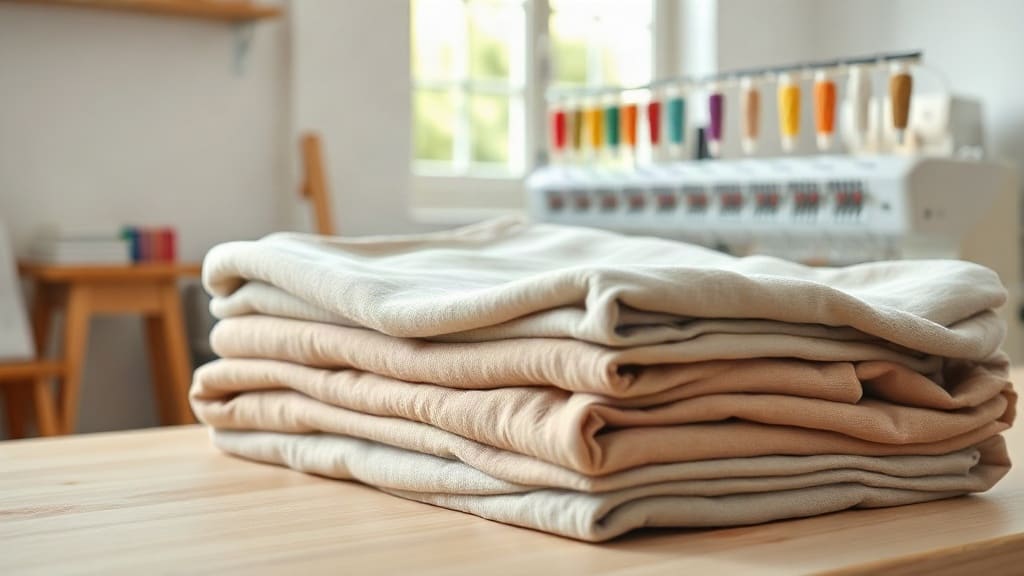
If you have ever spent hours stitching a design only to see it pucker, shift, or look lackluster on a cheap garment, you already know that the foundation of great embroidery is the blank itself. That is where smart blanks come in. These are not just any t-shirts or hoodies; they are carefully selected, pre-treated, and constructed to work seamlessly with embroidery machines. Whether you are a hobbyist or running a small business, choosing the right blank can mean the difference between a project you are proud to sell and one you hide in a drawer.
What Exactly Are Smart Blanks?
The term smart blanks refers to garments and accessories that have been engineered or prepared specifically for decoration. They typically feature a tight, stable weave, minimal shrinkage, and a surface that holds stitches without distortion. Many are also pre-washed or treated to reduce the risk of puckering. Unlike standard retail blanks, smart blanks are chosen for their compatibility with embroidery, screen printing, and heat transfer vinyl. They often come in a range of sizes, colors, and styles that appeal to both crafters and commercial embroiderers.
Key Characteristics of Smart Blanks
- Stable fabric: High thread count and consistent weave prevent stitch distortion.
- Minimal shrinkage: Pre-shrunk or low-shrink materials keep designs aligned after washing.
- Compatible with stabilizers: The fabric surface accepts backing without slipping.
- Durable construction: Reinforced seams and quality thread ensure longevity.
- Colorfast: Dyes resist bleeding, so your embroidery remains crisp.
These traits might sound technical, but they translate into real-world benefits: less rework, happier customers, and more professional-looking results.
Why Smart Blanks Matter for Embroidery
Embroidery is a physical process. The needle pushes through fabric thousands of times, and if the foundation is weak, the design suffers. Common problems like puckering, flagging, and misalignment often stem from using the wrong blank. Smart blanks address these issues at the source. They provide a stable base that holds the stitches securely, allowing the embroidery to shine.
Time and Cost Savings
When you use a blank that behaves predictably, you spend less time troubleshooting. No more re-hooping, no more adjusting tension mid-project. That efficiency adds up, especially if you are fulfilling orders. Smart blanks also reduce waste because you are less likely to ruin a garment due to poor fabric performance. Over time, that means more profit and less frustration.
Enhanced Professional Appearance
Clients notice quality. A design that lies flat, with clean edges and no puckers, looks premium. Smart blanks help you achieve that consistently. They also tend to have a nicer hand feel and drape, which makes the final product more comfortable to wear. Whether you are embroidering a logo on a polo shirt or a monogram on a tote bag, the blank sets the stage.
How to Choose the Right Smart Blank for Your Project
Not all smart blanks are created equal. The best choice depends on your design, the intended use, and your budget. Here are factors to consider:
Fabric Type
Cotton, polyester, and blends each have their strengths. Cotton is soft and breathable but may shrink; polyester is durable and colorfast; blends offer a balance. For embroidery, a medium-weight fabric with a tight weave works best. Look for descriptions like "embroidery-friendly" or "tight weave."
Weight and Thickness
Lightweight fabrics may need more stabilizer, while heavy fabrics can support dense designs without backing. Consider the stitch count of your design: high stitch counts require a sturdier blank to prevent distortion.
Color and Finish
Dark colors can make light threads pop, but they may also show lint. Some blanks come with a special finish that enhances stitch definition. If you plan to sell, choose colors that are popular and versatile.
Size Range
If you are embroidering for a group, ensure the blank comes in a full size range. Nothing is worse than having to source from multiple suppliers because sizes are limited.
Best Practices for Working with Smart Blanks
Even with the best blank, technique matters. Follow these guidelines to get the most out of your smart blanks:
- Pre-wash if needed: Some blanks are pre-shrunk, but if not, wash and dry before embroidering to avoid shrinkage later.
- Use appropriate stabilizer: Cut-away for stretchy fabrics, tear-away for stable wovens. Always test on a scrap.
- Hoop carefully: Ensure the fabric is taut but not stretched. Over-stretching can cause puckering when the hoop is removed.
- Adjust tension: Every fabric behaves differently. Lower tension for delicate fabrics, higher for heavy ones.
- Test stitch-out: Always sew a sample first to check density and alignment.
These steps may seem basic, but they are often overlooked. Skipping them can undermine even the best smart blank.
Common Mistakes to Avoid
Many embroiderers run into trouble because they treat smart blanks like ordinary garments. Here are pitfalls to steer clear of:
- Using the wrong needle: A sharp needle for woven fabrics, ballpoint for knits. Using the wrong one can cause holes or skipped stitches.
- Ignoring fabric grain: Hooping off-grain leads to distortion. Always align the design with the grain.
- Over-stabilizing: Too much backing can make the design stiff and uncomfortable. Match stabilizer to fabric weight.
- Skipping the test: Never assume a design will sew out perfectly on a new blank. Test first.
By avoiding these mistakes, you will save time and materials.
Where to Source Smart Blanks
You can find smart blanks from specialty suppliers, craft stores, and online retailers. Look for brands that cater to embroiderers and provide detailed specifications. Some suppliers even offer sample packs so you can test before committing to bulk. When evaluating a supplier, check for consistency in sizing, color accuracy, and customer reviews. A reliable source is worth its weight in gold.
Frequently Asked Questions About Smart Blanks
What makes a blank "smart" for embroidery?
A smart blank is designed with embroidery in mind: stable fabric, minimal shrinkage, and compatibility with stabilizers. It reduces common issues like puckering and misalignment.
Can I use smart blanks for other decoration methods?
Yes, many smart blanks work well for screen printing, heat transfer vinyl, and direct-to-garment printing. However, always check the manufacturer's recommendations.
How do I know if a blank is pre-shrunk?
Check the product description or label. If it does not say pre-shrunk, assume it will shrink and plan accordingly.
Are smart blanks more expensive?
They can be slightly pricier than basic blanks, but the savings in time and reduced waste often outweigh the upfront cost.
Do I need special needles for smart blanks?
Use the appropriate needle for the fabric type: sharp for wovens, ballpoint for knits. The blank being "smart" does not change the needle requirement.
Choosing the right foundation is the first step toward embroidery success. With smart blanks, you set yourself up for cleaner stitches, happier clients, and a smoother workflow. Whether you are embroidering a single gift or a hundred uniforms, investing in quality blanks pays off.