
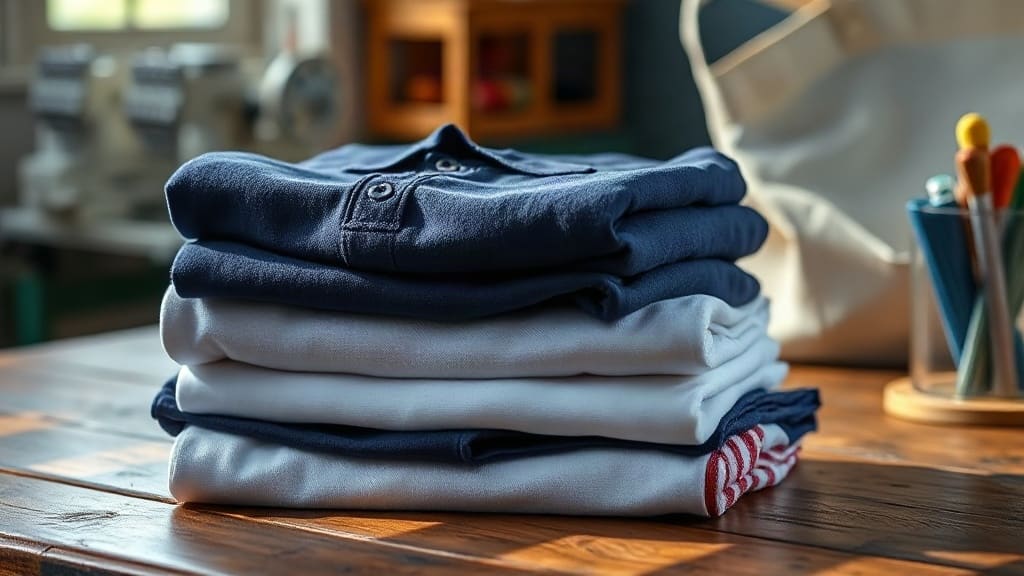
When you invest hours in designing and stitching an embroidery project, the last thing you want is a finished piece that looks less than perfect. The secret to achieving crisp, professional-looking embroidery often lies not just in your stitching skills, but in the canvas you choose. That's where smart blanks come in. These specially selected garments and fabrics are engineered to work seamlessly with embroidery machines, giving you a smooth, stable surface that showcases your artistry. In this guide, we'll explore what makes smart blanks different, why they're a game-changer for both beginners and pros, and how to pick the right ones for your next project.
What Are Smart Blanks?
Smart blanks are apparel items and fabrics that have been optimized for embroidery. Unlike standard blanks, which may have inconsistent weaves, heavy sizing, or unstable knits, smart blanks are manufactured with embroidery in mind. They feature tighter weave structures, minimal shrinkage, and often a special finish that helps stitches lay flat and resist puckering. Think of them as the premium canvas for your needle and thread.
These blanks are typically made from high-quality cotton, polyester blends, or performance fabrics that maintain their shape after repeated washing. They come in a variety of styles, from polos and button-downs to hoodies, caps, and tote bags. The key is that each item is tested to ensure it can handle dense embroidery designs without distortion.
Why Smart Blanks Matter for Embroidery
Embroidery is a physical process: needles push through fabric thousands of times, and each stitch exerts tension. If the fabric isn't up to the task, you'll see puckering, gaps, or even holes. Smart blanks address these issues head-on. Here's why they're worth the investment:
- Stability: Their dense construction prevents the fabric from shifting during stitching, so your design stays aligned.
- Durability: They withstand the needle's penetration without weakening, ensuring your embroidery lasts.
- Appearance: The smooth surface allows stitches to sit evenly, creating a clean, professional look.
- Consistency: Batch after batch, smart blanks deliver the same reliable performance, which is crucial for client orders.
Without these qualities, even the most beautiful embroidery can look amateurish. That's why many professional embroiderers refuse to work on anything but smart blanks.
How to Choose the Right Smart Blanks
Not all smart blanks are created equal. The best choice depends on your project's requirements, your client's preferences, and your embroidery design. Here are the key factors to consider:
Fabric Type
Different fabrics behave differently under the needle. For example:
- 100% Cotton: Breathable and soft, but may shrink. Look for pre-shrunk options.
- Cotton-Poly Blend: Combines comfort with durability and minimal shrinkage. A popular choice for smart blanks.
- Performance Fabrics: Moisture-wicking and stretchy, ideal for activewear. These require special stabilizers.
Always test a sample stitch on a scrap piece before committing to a full order.
Weight and Thickness
Lighter fabrics (like those used in dress shirts) need more stabilizer to support embroidery, while heavier fabrics (like denim or canvas) can handle dense designs with less backing. Smart blanks often specify a recommended stitch count range, so pay attention to that.
Colorfastness
You don't want the fabric dye to bleed into your thread or fade after washing. Quality smart blanks are dyed with colorfast processes, ensuring your embroidery remains vibrant.
Size and Fit
Embroidery placement depends on the garment's cut. For example, a left-chest logo on a polo requires a different hoop position than on a hoodie. Choose blanks that match your target wearer's fit preferences, and always consider how the design will look when worn.
Top Smart Blank Categories for Embroidery
Ready to explore? Here are some of the most popular smart blanks categories and what they're best for:
Polos and Button-Downs
These are staples for corporate uniforms and event staff. Look for smart blanks with a tight pique knit and a fused collar to prevent curling. A left-chest logo or a full back design both work well on these.
Hoodies and Sweatshirts
Ideal for casual branding and merch. Choose heavyweight fleece with a smooth face for large embroidery. Avoid styles with too much texture, as it can swallow fine details.
Caps and Hats
Structured six-panel caps are the gold standard for embroidery. Smart blanks in this category often have a buckram backing that supports dense front logos. Unstructured caps are trickier but work for simpler designs.
Tote Bags and Accessories
Canvas totes and aprons are great for promotional items. Look for tight-weave canvas that won't gap between stitches. These smart blanks are durable and take embroidery beautifully.
Tips for Embroidering on Smart Blanks
Even with the best blanks, technique matters. Here are some pro tips to get flawless results:
- Use the right stabilizer: Cut-away for stretchy fabrics, tear-away for stable wovens. Always match stabilizer weight to fabric weight.
- Hoop carefully: Avoid stretching the fabric. It should be taut but not distorted.
- Test stitch counts: Run a sample on a scrap to check density and adjust as needed.
- Mind the grain: Embroidery designs should align with the fabric's grain for a natural look.
- Finish with a press: A light press after embroidery removes hoop marks and sets the stitches.
These steps, combined with quality smart blanks, will elevate your work from homemade to handcrafted.
Where to Source Smart Blanks
Many blank apparel suppliers now offer embroidery-friendly lines. Look for terms like "embroidery-ready," "stitch-friendly," or "smart blanks" in their catalogs. Online retailers like embroideredup.com specialize in curating such blanks, ensuring you get fabrics that have been vetted for embroidery performance. When ordering, always request a sample to test before committing to bulk.
Frequently Asked Questions
What exactly makes a blank "smart" for embroidery?
A smart blank is designed with embroidery in mind. It has a tight, stable weave, minimal shrinkage, and often a special finish that reduces puckering. These features ensure your stitches look crisp and the garment maintains its shape.
Can I use regular blanks for embroidery?
Yes, but you may need extra stabilizer and careful hooping. Regular blanks can work, but they're more prone to puckering and distortion. Smart blanks reduce these risks, especially for complex designs.
How do I know if a blank is embroidery-friendly?
Check the product description for keywords like "embroidery-ready" or "smart blank." You can also feel the fabric: it should be tightly woven and not too stretchy. When in doubt, test a sample.
Are smart blanks more expensive?
They can be slightly pricier than basic blanks, but the reduced waste and professional results often justify the cost. Plus, many suppliers offer competitive pricing on bulk orders.
What's the best smart blank for a first embroidery project?
A 100% cotton or cotton-poly blend polo or tote bag is a great starting point. They're stable, easy to hoop, and forgiving for beginners. Avoid stretchy fabrics until you gain more experience.